Author: clifandsusan

Servicio And The Old Man

We based ourselves in Santiago for five nights to give us time to rest and, more importantly, get the bike serviced. Warning lights were popping up everywhere.

Thankfully the BMW garage was very helpful and accommodated us at short notice. The bike was ready the following day, washed and polished. It now looks better than we do! Well better than I do at least – Susan managed to dye her hair in Santiago so she’s looking as fresh as the bike!
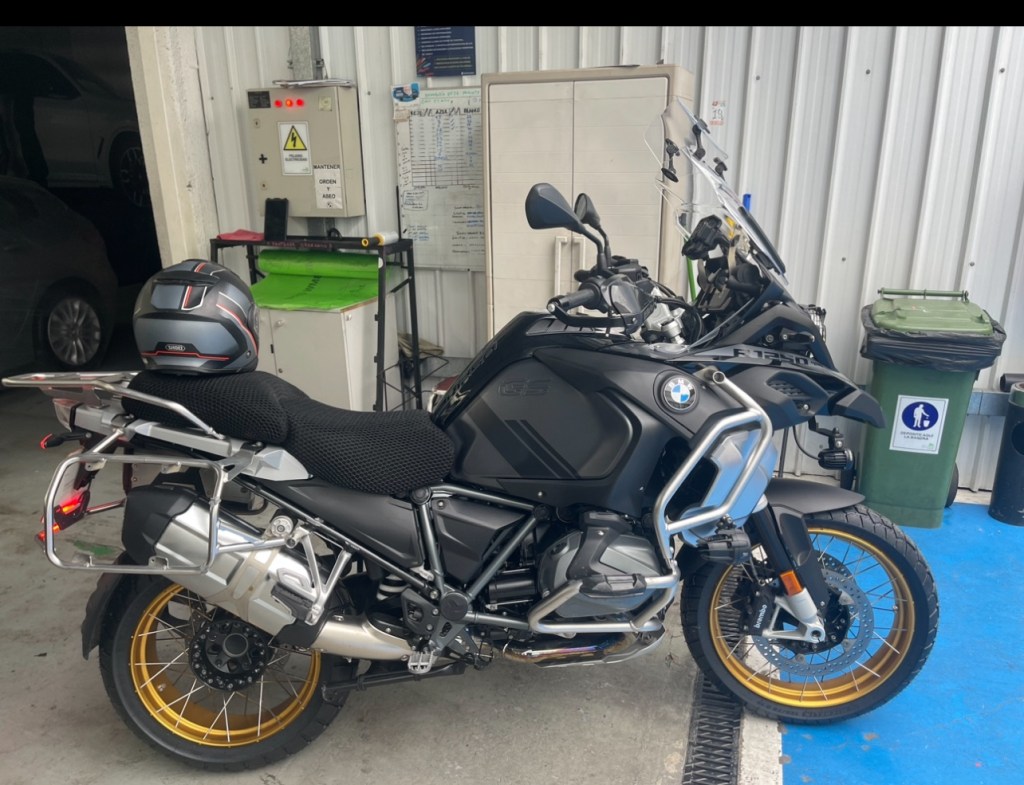
In addition to the usual service maintenance, the tyres were replaced, the rear brake pads were changed as they were critically low and air was bled out the brake system.

The bike now feels as if it can stop in half the distance it did before we arrived in Santiago. That’s just as well because we have been eating rather unhealthily for a few days in Santiago and the bike will be carrying a little bit more weight than usual.

Have a look at this bad boy hot dog.

It’s the ‘famous’ Santiago ‘Italiano hot dog’ with a dog, chopped tomatoes, avocados and sour cream. It’s incredibly popular- everywhere you look someone has one of these in their gob. And believe me this seven incher is the wee boy’s size and I felt inadequate compared to a girl who was tackling a 14 incher. Fair play I thought.

What does it taste like? It’s kind of a squidgy mess dominated by the sour cream. I have no idea why they are so popular.

Of course, I’m not the only one to indulge. Only this morning Susan was having pizza for breakfast. She often sets a standard that sometimes I find hard to follow. Fair play I thought.

Now Santiago is a nice city but it’s still suffering from the consequences of the 2019 riots when many city centre businesses were destroyed. Even today its estimated that 30-40% of businesses are closed and much of the city centre is abandoned and vandalised.

Whilst the unrest was triggered by a 4% rise in subway fares in Santiago, the country has huge underlying economic issues. Although Chile has a stable, prosperous economy it also has the highest rate of income inequality of all the wealthiest nations in the world.

Chile’s elite families, 0.1% of the total population, are an endogamous group of power players, hidden from public scrutiny. They own the banks, insurance companies, mining companies (the core of Chile’s economy) football clubs, forestry and big media companies.

Price fixing between companies is endemic throughout economy. The most famous of cases that have recently come to light is the bum deal Chileans were getting on toilet paper. For ten years two companies formed a cartel to control and inflate the price of toilet paper! And guess who controls these companies? Yes the wealthiest and most powerful families in Chile. Was anyone prosecuted? Well, what do you think?

Essentially, the money is in the hands of the wealthy few and education, health and welfare are seriously underfunded. Against this background of discontent, the rise in subway fares was enough to trigger the protests.

One of the days we were in Santiago was an anniversary of the riots. Shops, bars and restaurants closed early and the police were out in huge numbers. We tried to visit a tourist hilltop lookout but the young chap at the entrance said it was closed. He explained helpfully in reasonably clear English that there were going to be ‘manifestatations’. No idea where he got that word from but it was good enough for me – we’re going nowhere near ‘manifestations’!

Here’s a photo of the cathedral and the main square, one of the few places that looks largely untouched.
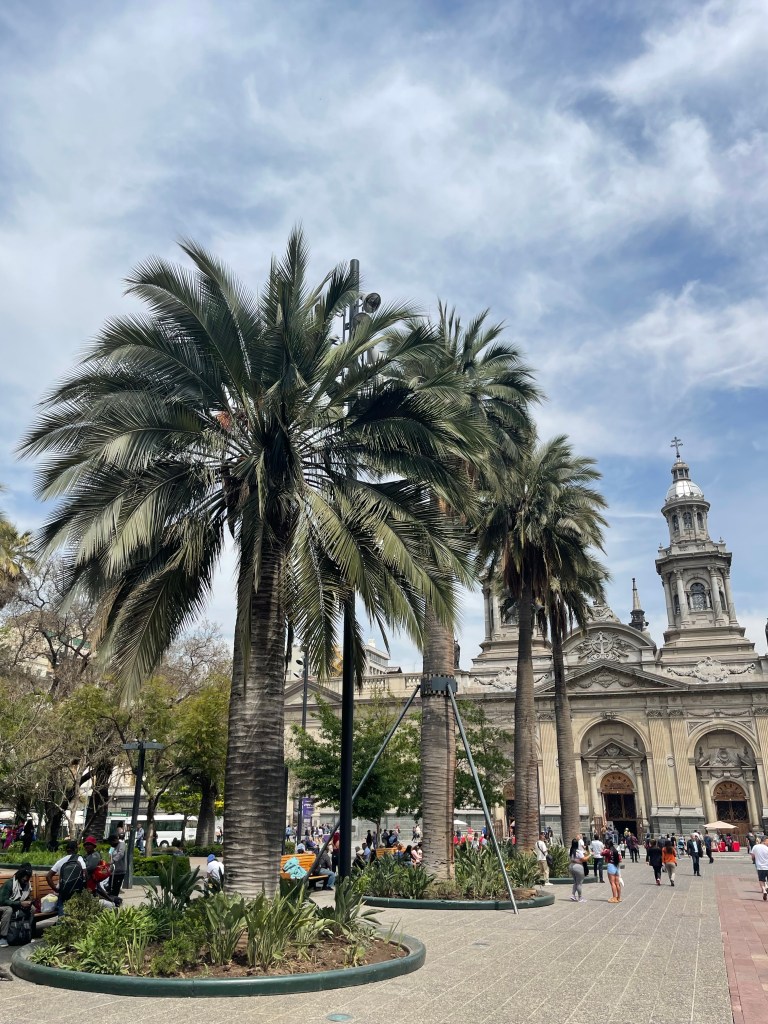
So that’s Santiago. Nice place to visit but be aware of manifestations manifesting themselves. Great bars, restaurants and friendly people. Hopefully, they fulfil the plans to rebuild the city centre and McDonald’s opens again and manifests itself in all its golden M splendor.

Leaving Santiago, we took the interstate South and covered nearly 700 miles in 3 days. It’s a fast dual carriageway but it was a tiring few days riding as we were constantly buffeted by cross winds.

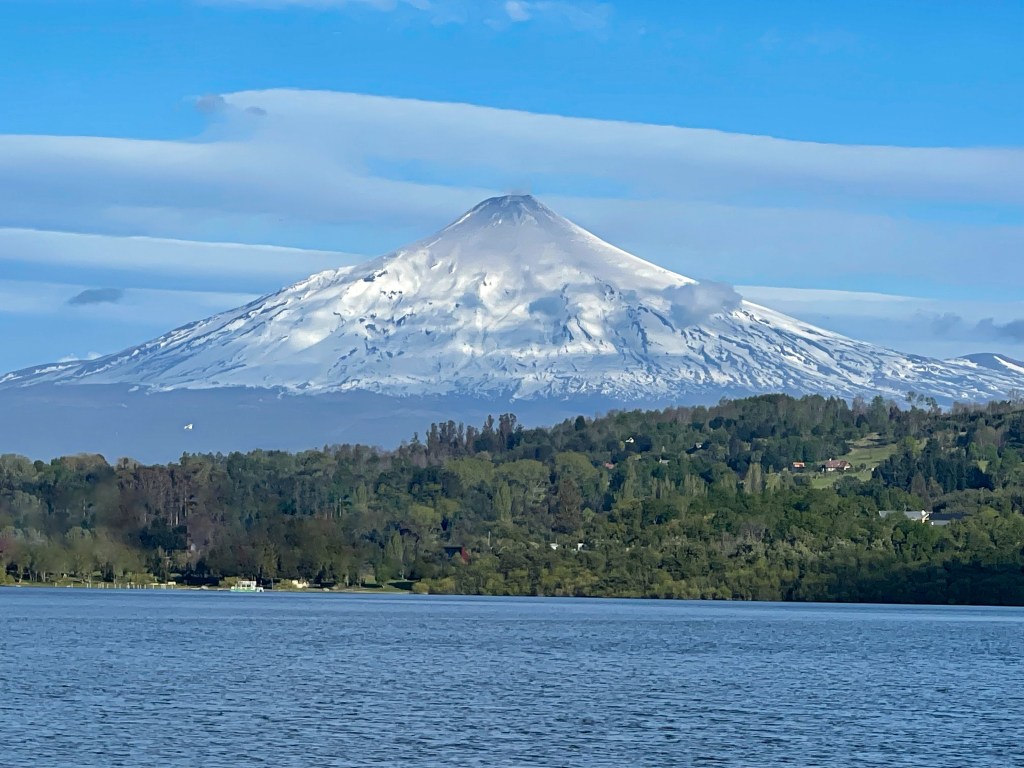
We crossed paths with another manifestation of a volcano.
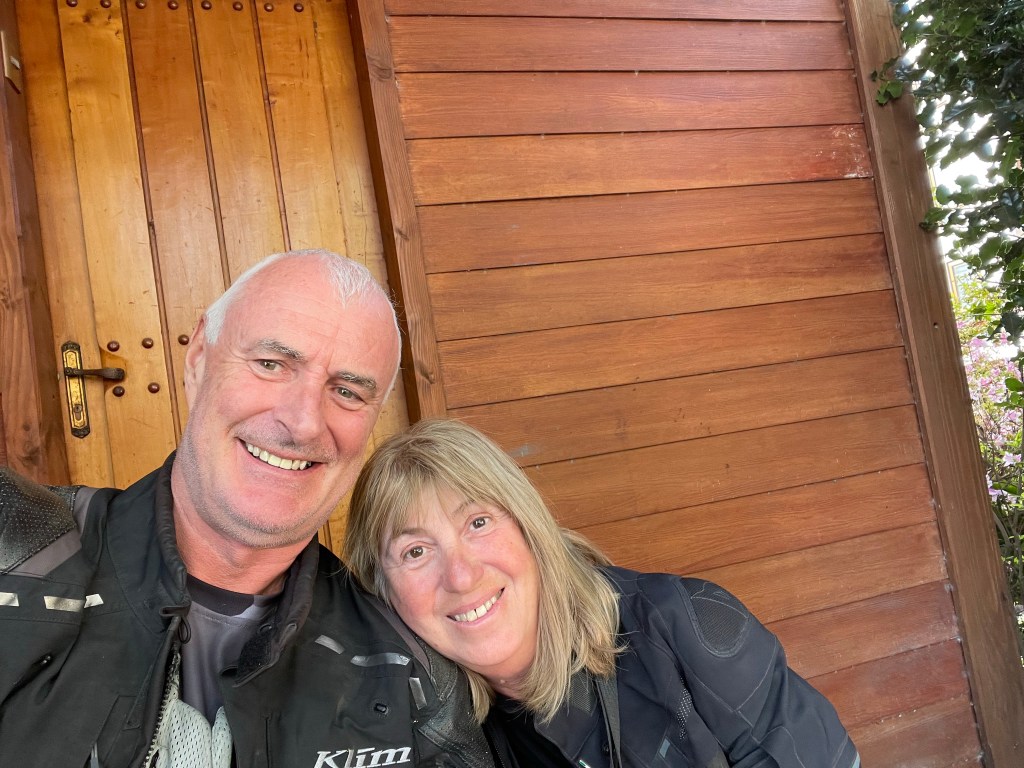
We sat outside a guest house which was being ‘sanitised’ and who didn’t honour our booking. The owners did not manifest themselves so we moved on.
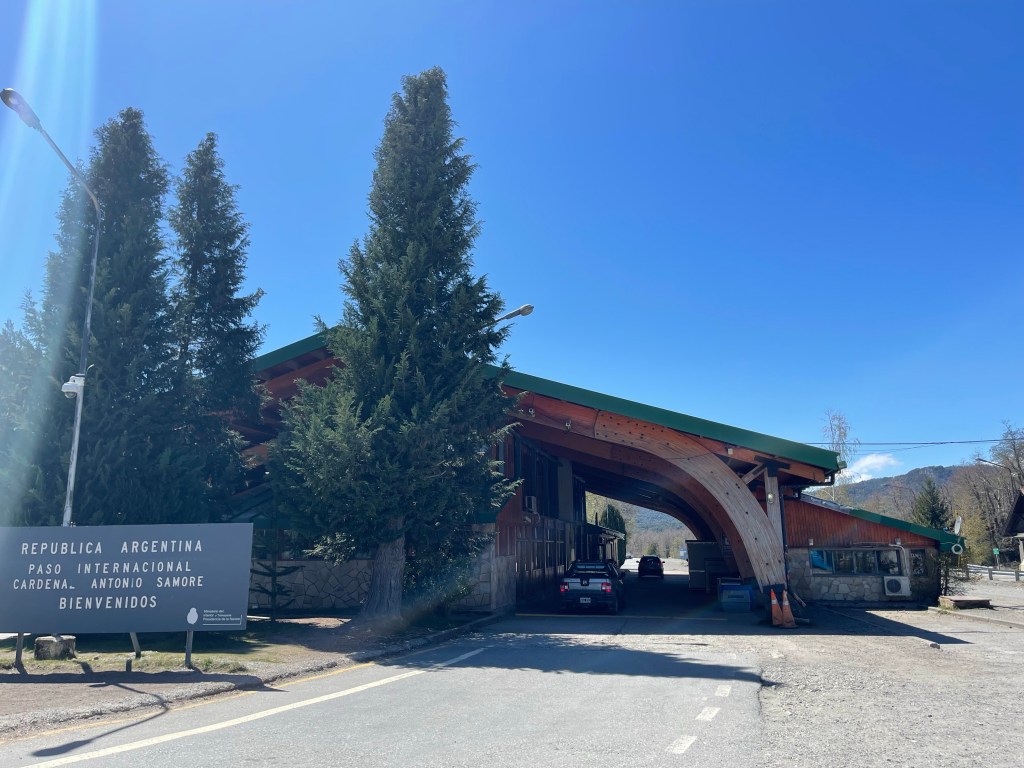
We then crossed another border.

Yes, we were back into Argentina. It was a smooth crossing as our bike was already registered on the Argentine computer.
Unfortunately, the first 40 km of road on the Argentine side was shockingly bad. The road was at high altitude through the Andes mountains and has obviously been ravaged by the weather over the years. Our new tyres took a good thrashing and we were rattled to bits over the very rugged surface. Welcome back to Argentina.

By the time we got to out destination on day three I was like a burst balloon and feeling nauseous. We couldn’t figure out whether I had a man virus thing, whether I was tired from the riding or whether I was just feeling like an old man should.

Either way I was clear about the solution – similar to the bike I needed a servicio or, the next best thing, ice cream and red wine. Yes, I appreciate that’s probably not what I need when I’m feeling nauseous but think about it – sugar for energy and wine to make me happy and forget my ‘old man’s’ health scare.

After a large ice cream I felt slightly better, or so I told myself. Positive thinking. Next on the agenda – a nice Argentinian Malbec.

Then my whole day caved in.

It was election day in Argentina and they ban the sale of alcohol on election day until 9pm. Oh, we walked another mile trying but it was no wine for the old man. Poor ‘old man’ with a health scare.

Then, as we were staying in a relatively shabby apartment with a shabby cooker, Susan cooked some shabby spinach ravioli with tomato sauce for dinner. I’ve no idea what I’d done to upset her but I ate my punishment meal regardless. Fair play to the poor ‘old man’ with a health scare I thought.

We went to bed at 8.15pm that night. Well, we may as well – it could only keep going downhill.

But this old man is always positive and as he drifted asleep he was already looking forward to tomorrow. For tomorrow was definitely going to be Malbec Day.

And we were going looking for Nazis.

Malbec and Nazis – I could hardly contain my excitement as I lay my ‘old man’ head on the pillow. ‘Goodnight Clif’ said Susan, ‘I hope you feel better tomorrow’.

‘Gute Nacht Susan’ I replied.

You can’t keep an ‘old man’ with a health scare down,

Where’s Wally?

So where are we? Here’s a map and an explanation.

We started at the blue dot near the top (Bogota) and looped up to our most northern point, Cartagena, before heading south.

We travelled down through Colombia, Ecuador and the coast of Peru before heading east over the Andes towards Machu Picchu, Cusco and La Paz. Then it was down through Bolivia and Argentina before crossing into Chile.

The ‘blue dot’ at the bottom of the ‘teal dots’ is Santiago where we are today. 6,300 miles travelled.

The blue dot at the bottom is Ushuaia, ‘The End of The World’ and the furthest point south we will travel.

The blue dot in the east is Buenos Aires where we fly home in December.

It’s about 2,000 miles to Ushuaia and another 2,000 miles up to Buenos Aires.

Hope this map of our progress isn’t too dotty.

Captain Fantastic and the Brown Dirt Cowboy

Leaving Cafayate we headed south towards Santiago, Chile.

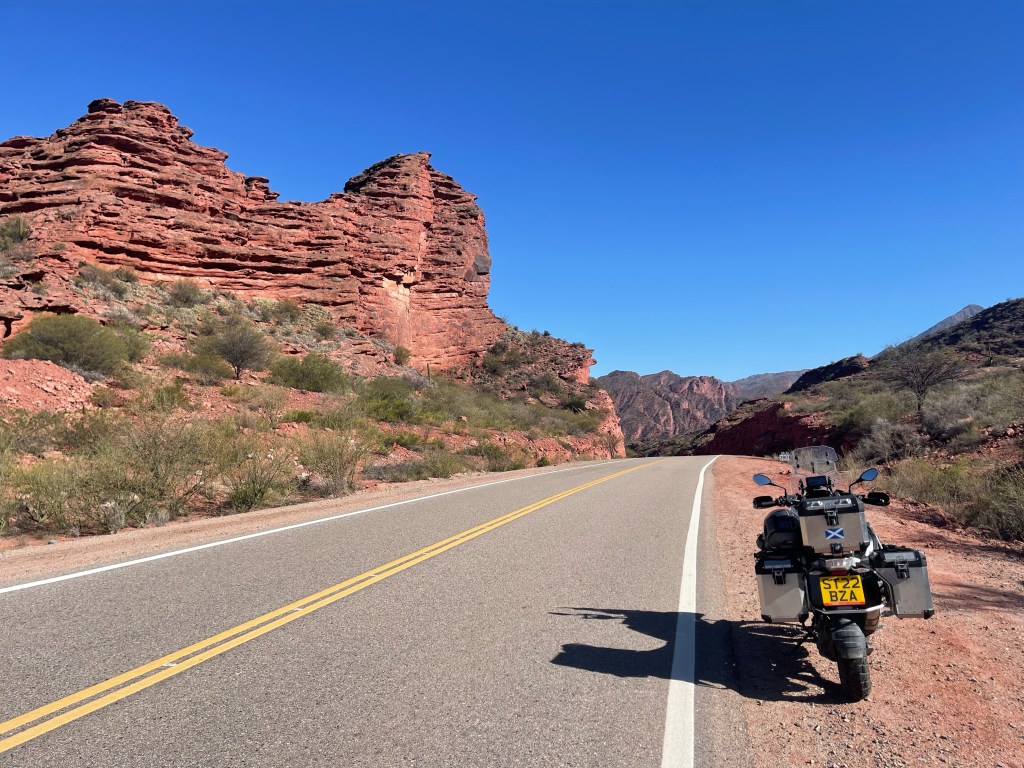
Over the following four days we covered 900 miles down the magnificent Ruta 40 running parallel with the Andes mountains.

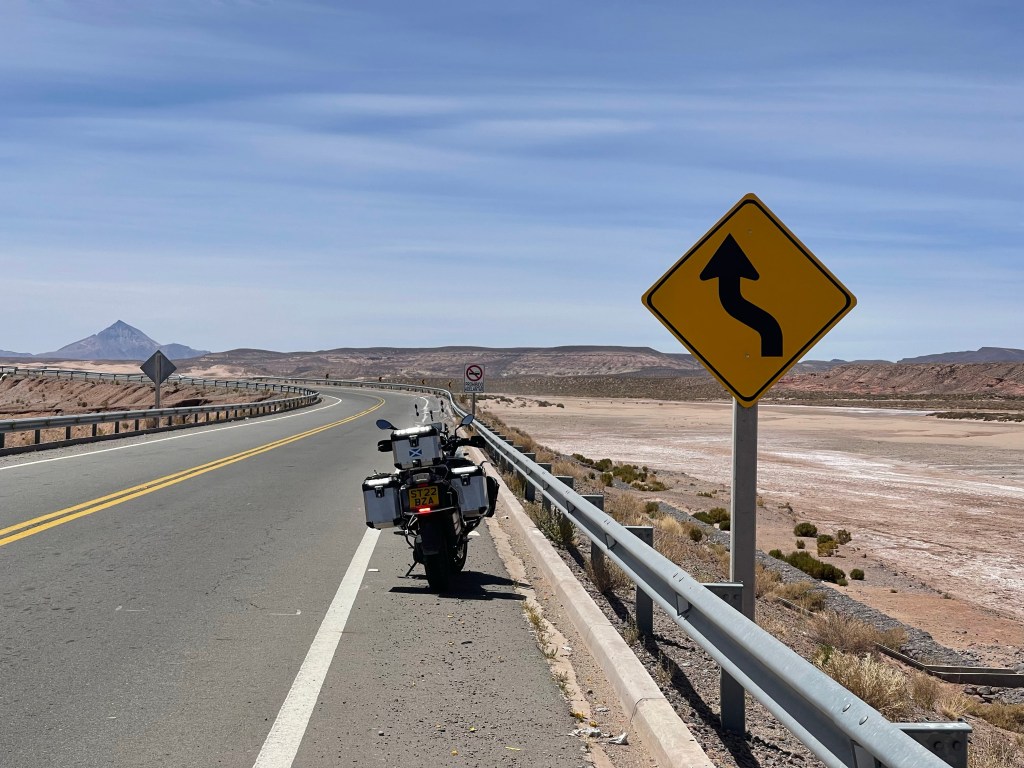
We made good, reasonably fast, progress each day. The red sandstone mountains gave way to long straight roads across a desert landscape that enabled us to keep up a good average speed.

Unfortunately, every 500 metres or so, the road dipped significantly as we crossed a dry river bed. We run down the dip, clatter across concrete slabs and then up the dip at the other side. For a hundred miles or more this happened time, after time, after time.

Each time we cross a dry river bed I give Susan pre warning over the intercom. We have perfected a messaging code over the last couple of months:

‘Bumpy bumpy’ is a mild rumble with no need to hold on. ‘Bump’ is hold on but it’s fine. ‘Big bump’ is hold on and brace yersel woman’.

Then there’s the final message ‘fu*k I didn’t see that coming’ – it’s more of an after the fact comment than a warning. Unfortunately, Susan would probably say she gets too many of these particular ‘messages’. It’s just so difficult to judge the roads ahead when they’re an absolute mess.

Everything happens at a bit of a pace as our average speed this day was about 60 mph. The road is inhospitable, desolate and not for sallying along. Susan takes it all very well and I can appreciate it must be like riding a rickity roller coaster blind fold.

One river crossing tested her more than most. That’s because it wasn’t a dry river bed like all the others. This was a real river about 35 metres wide.

It looked shallow as we slowed to a slightly too fast speed for the circumstances. The water sprayed everywhere and I thought momentarily that’s good the bike and my legs are getting a good clean.

Then I saw the deeper section of the river a split second before we hit it. It was nothing really, about 20 cm deep but the breaking force on the bike was considerable. So I accelerated through, went up a small river bank, that appeared out of nowhere (fu*k I didn’t see that coming), hit some holes caused by the swirling river current and the bike left the ground.

Now it wasn’t a big jump but I felt Susan lift off the seat and her left hand flew off the bike and up into the air above us. Thankfully, she still held onto the bike with right hand. It was like she was in a rodeo on the steel horse, bucking like a bronco. Well done ‘Cowboy Susan’. Ye ha!

To give you an appreciation of the forces at play I can tell you that even I left the seat. Yes I really did and I’m sure you can appreciate the amount of force it takes to get a lardy like me to defy gravity!

Of course, ‘Cowboy Susan’ got the message ‘fu*k I didn’t see that coming’. She wasn’t impressed. ‘That was bad, I was nearly off’ ‘Cowboy Susan’ says. ‘It was fine’ I reassured her as we accelerated down the road scanning for next river bed. Hopefully it would be dry next time.

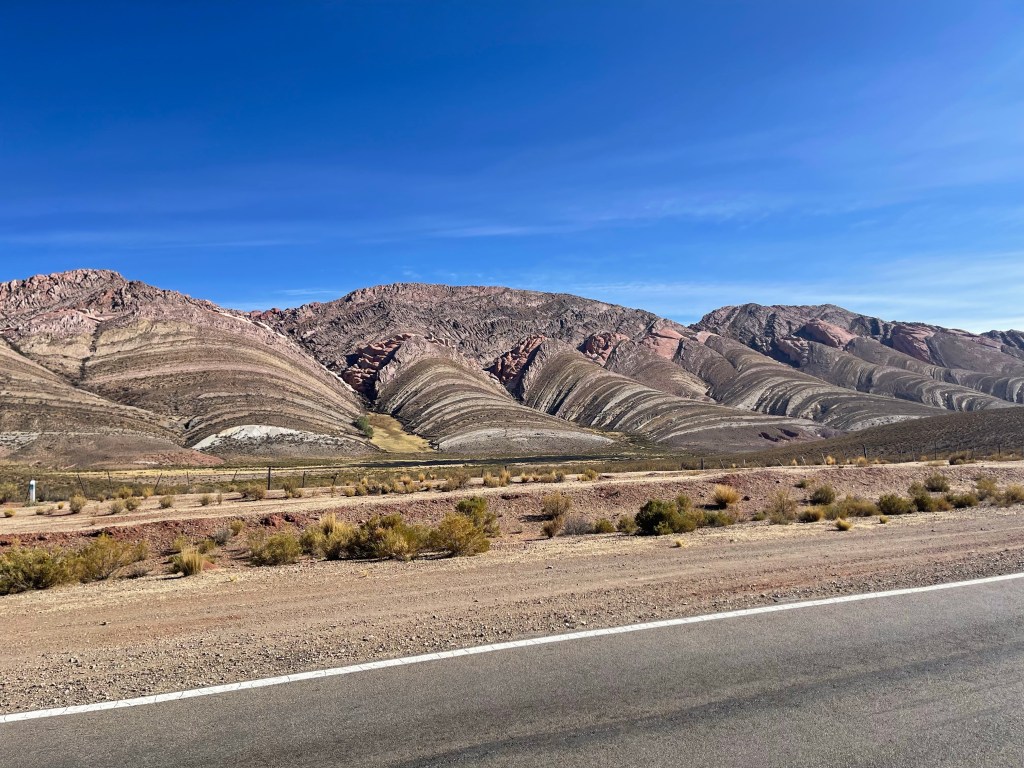
To reach Santiago, Chile, we had to cross the Andes mountains, yet again. We don’t mind because they’re the most spectacular, beautiful, colourful mountains of grandure. The outlook and scenery changes at nearly every bend.

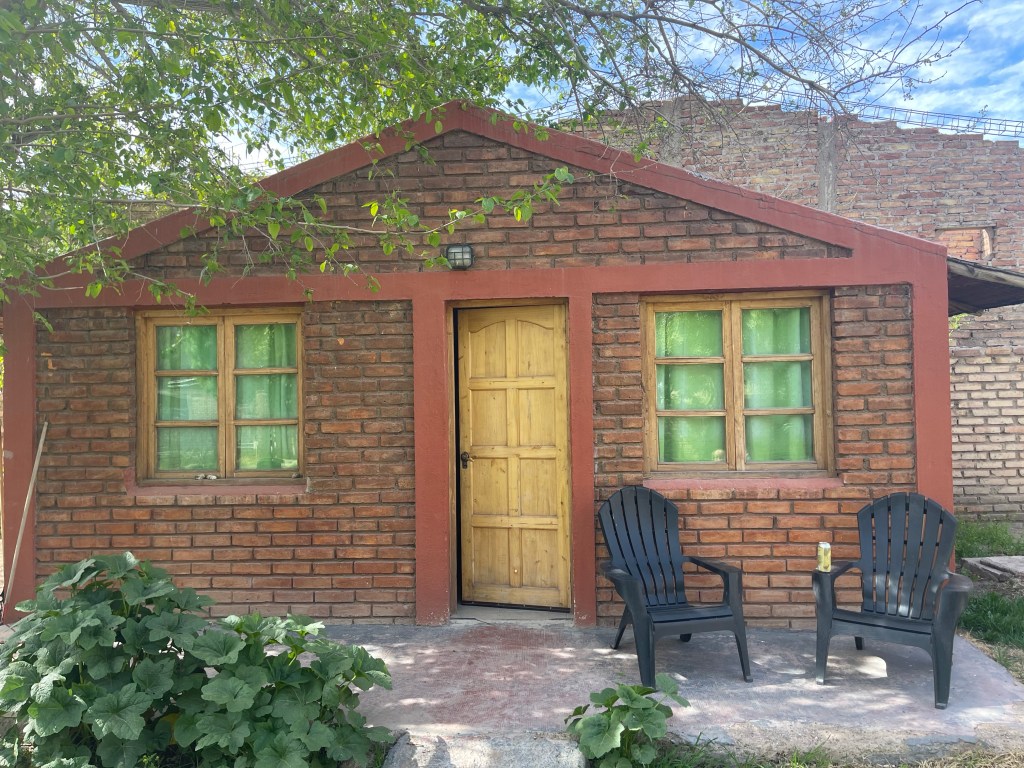
So after three days riding the steel horse, ‘Cowboy Susan’ and I ended up in a little western town called Uspallata. The only accommodation with steel horse parking was a hostel but we went upscale and rented a small ‘cottage’ as opposed to the communal dorm. We’re posh hostellers.

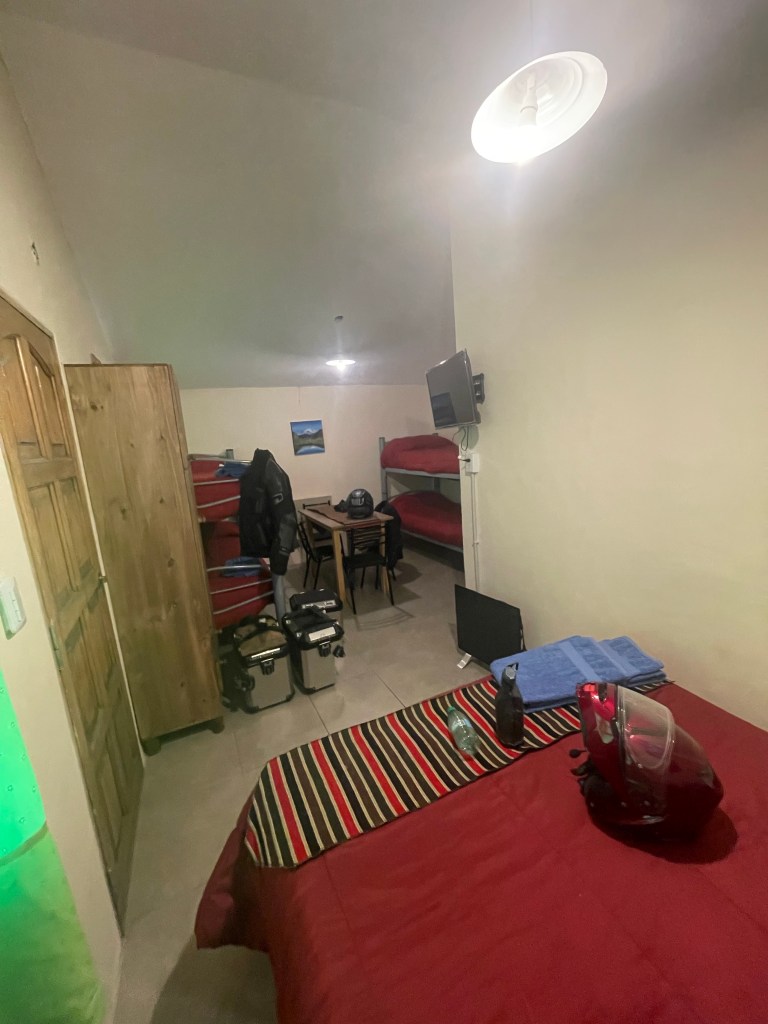
It had all the essentials and even included two sets of bunk beds if you had four pals to share. ‘Cowboy Susan’ was a bit of a spoil sport as she wouldn’t let me sub let. I thought she would have been okay with a couple of ranch hands sharing but it was a definite ‘no’. Maybe not a real cowboy after all?

Then there was the common room where all the nice hostel people hung out talking young people conversation. ‘Cowboy Susan’ and I fitted right in.

Now I accept there’s no young hip trendy friends in this photo but I’m not making them up. It’s just that I took this photo at 6am as we were up early to tackle the border crossing. Okay? So let it go because we really did have young hip hostel friends. Please don’t be jealous.

Now may I repeat previous similar warnings – please don’t show these hostel photos to your partner.

I don’t want them saying ‘why don’t you take me to a young people’s hostel like Clif takes ‘Cowboy Susan’ where we can live as if we’re young again, talk about travel and be cool, hip and trendy’. Peace and happiness ✌️

We had some great food that evening in Uspallata. We went to an Argentine parrilla – essentially it’s a restaurant with an open BBQ. We opted for the BBQ chicken and it was outstanding. I thought ‘Cowboy Susan’ was going to order a side bowl of beans and sit by the BBQ and start farting. But she didn’t – maybe not a real Cowboy after all?

The following morning we loaded the steel horse and set off whilst all our young ‘invisible’ hostel companions slept and dreamt of a better world. We had no time for dreaming, we had another border to cross.

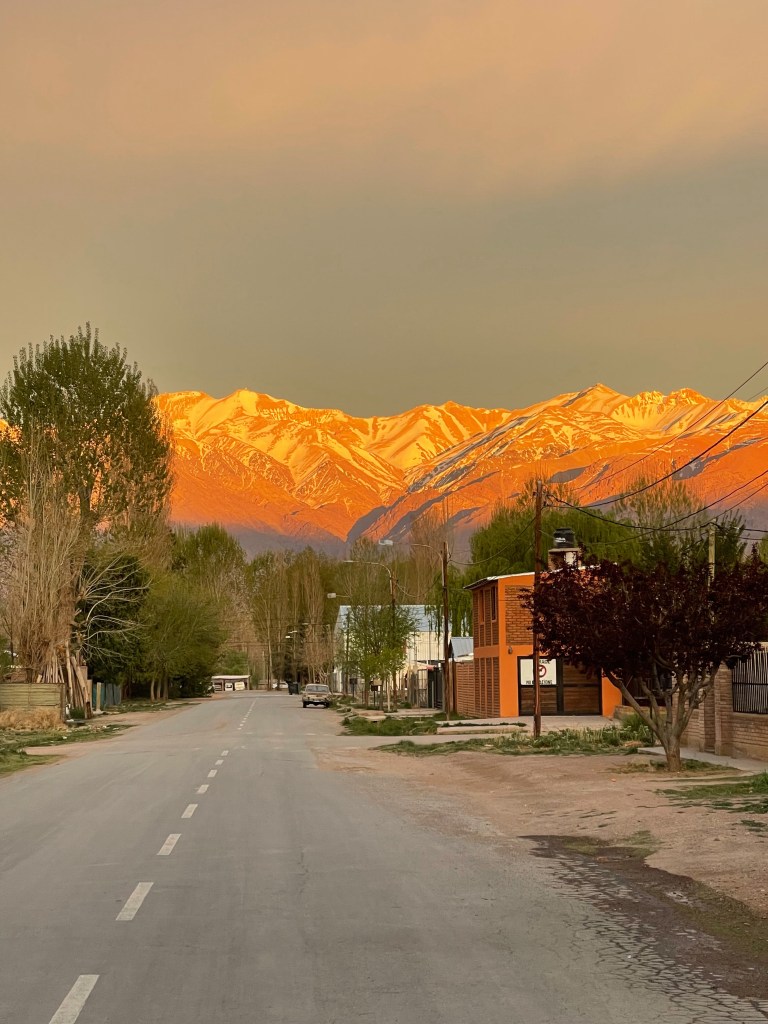
First we admired the morning sun rising over the Andes – that’s where we were heading.

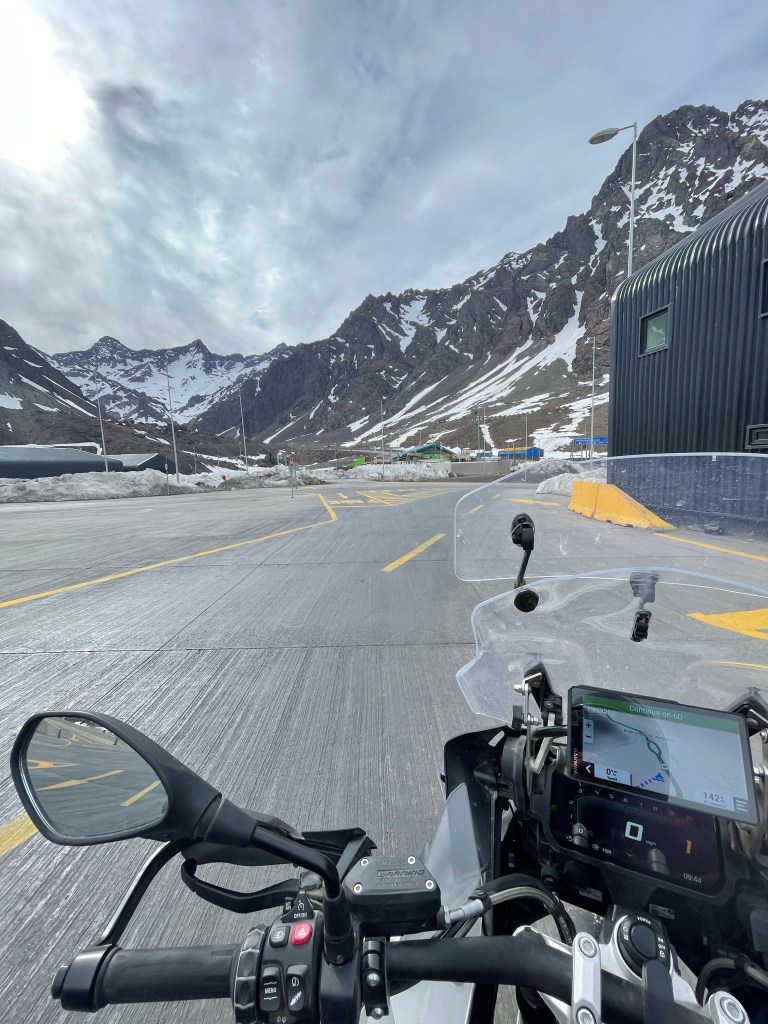
90 minutes later we reached the border crossing at over 10,000 feet. The last half hour was relatively awful for a steel horse. The road started off greasy then became icy. It largely consisted of concrete slabs that had become cracked and potholed by the extreme weather. Some of the potholes would throw you off the horse – this was no time for ‘fu*k I didn’t see that coming’.

Arriving at the customs post early Sunday morning was an advantage. It’s a joint Argentine Chile building, a one stop shop. However, even with relatively few travellers it was a bloody confusing mess with no clear process.

Thankfully, we now know what forms we need to complete and get stamped and so we negotiate our own way through various people, forms and queues to get the job done. Honestly, like other borders in South America there’s been nothing stopping us from entering and exiting the other end without getting anything stamped. As long as you’re not carrying any blinking fruit or honey you’re fine.

We left the border post. We were in Chile, our sixth country. ‘Ye ha’ as ‘Cowboy Susan’ would say.

Then it was a steep descent through say 30 or more hairpin bends. We took it easy and a couple of hours later we were in Santiago where we rented a small apartment for 5 nights. Of course, you know that that means?

Yes its ‘Cowboy Susan’, me and Mr Beer for four days. Happy as three non farting llamas.

‘From the end of the world to your town’.

Au Revoir Bolivia, Hola Argentina

After the salt extravaganza, we had hoped to set off early next day and head south towards Argentina. Unfortunately, Susan had other ideas. A combination of sun, salt and altitude confined her to bed for the day. She couldn’t even keep the coca sweets down. Oh, poor Susan.

So Susan slept all day and I ate pizza and drank beer all day. Not such a bad day after all, for some.

Next day she felt good enough to travel. She’s a tough old girl. The road was good and we made great progress. Susan didn’t barf and she was back on the coca sweets and Ritz crackers for her munchies. We were fine. Happy as two non barfing llamas.

After two days riding we reached the border between Bolivia and Argentina around lunchtime. The border was situated along a back street and it took us three attempts to find it. Crazy. Susan had to get off and walk some of it because the roads were so treacherous for the bike.

It took us a couple of hours to cross the border and we rigorously checked the forms the customs agents completed. It’s always such chaos crossing a border. Queues, people jumping in, form after form, ‘no entiendo’, no signal on phone to complete online stuff, scanner checks of panniers, heat, noise, passports out, passports in, temporary import permit cancelled, temporary import permit entry.

Then we were in Argentina – our fifth country on this journey.

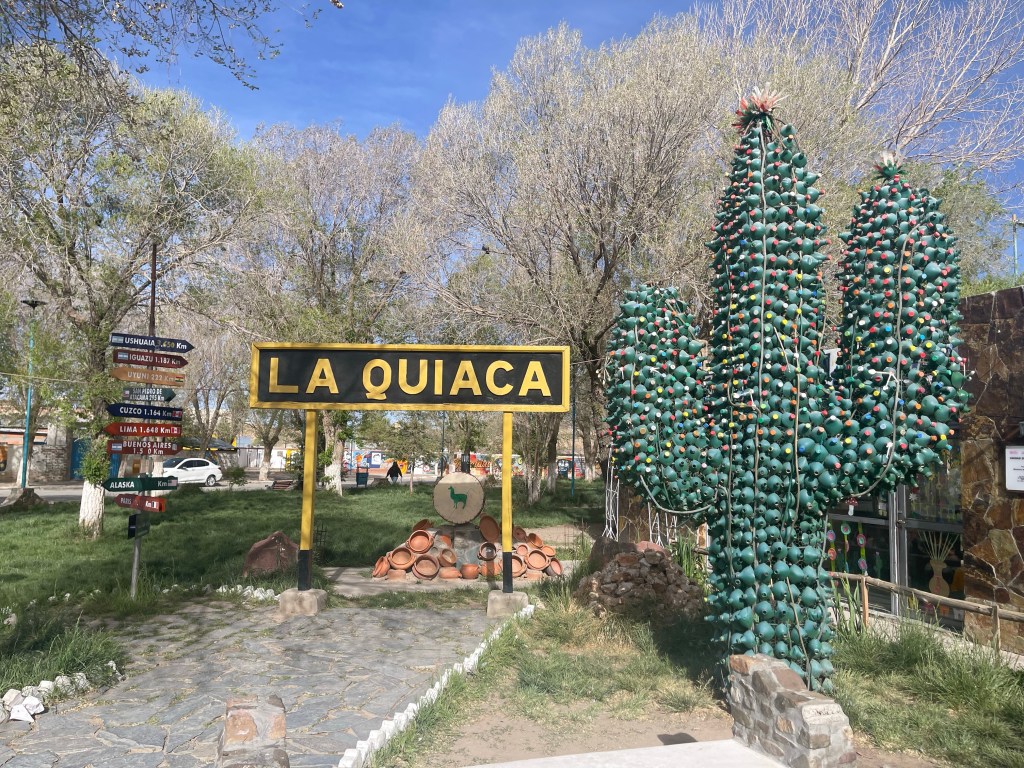
The Argentina border town was Quiaca. What a tumbledown dump it was.

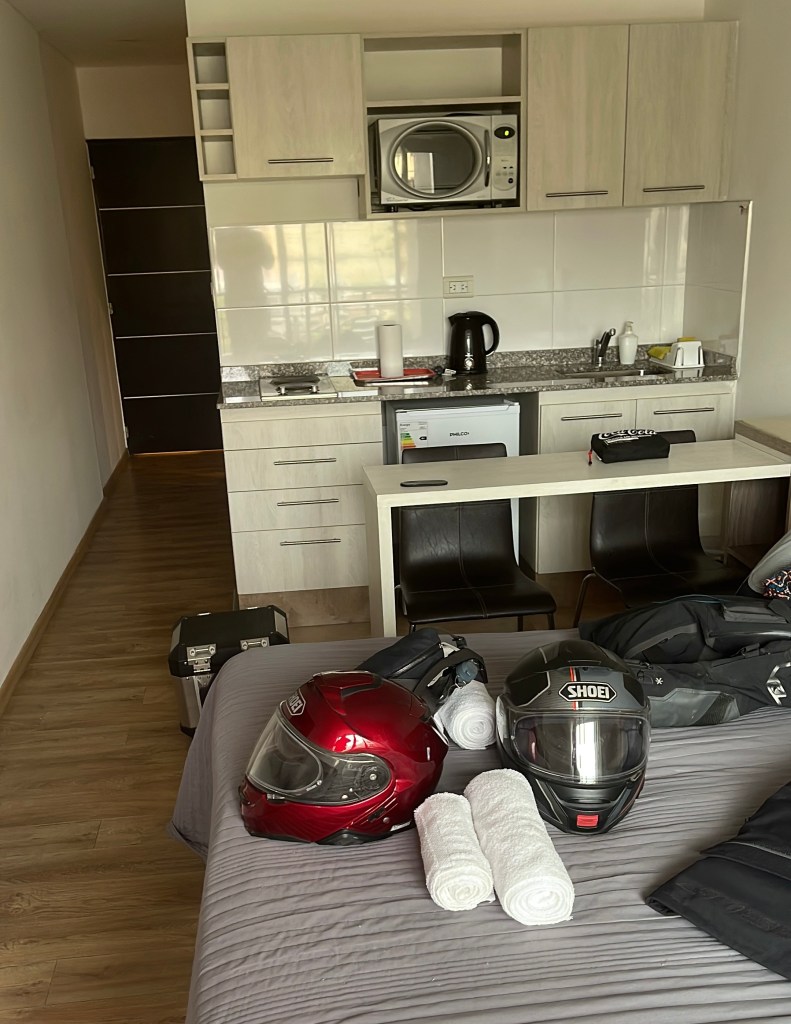
We stayed in the best hotel in town and it actually wasn’t that bad. Bit of a problem parking the bike. Had to ride it up a substantial pavement kerb, up the hotel steps, through the main doors of the hotel, up another step, through internal double doors, down the hall, sharp right turn into an internal courtyard, down a step, eight point turn, and park. Just in case you’re wondering, Susan got off and walked. For some reason she prefers it that way.

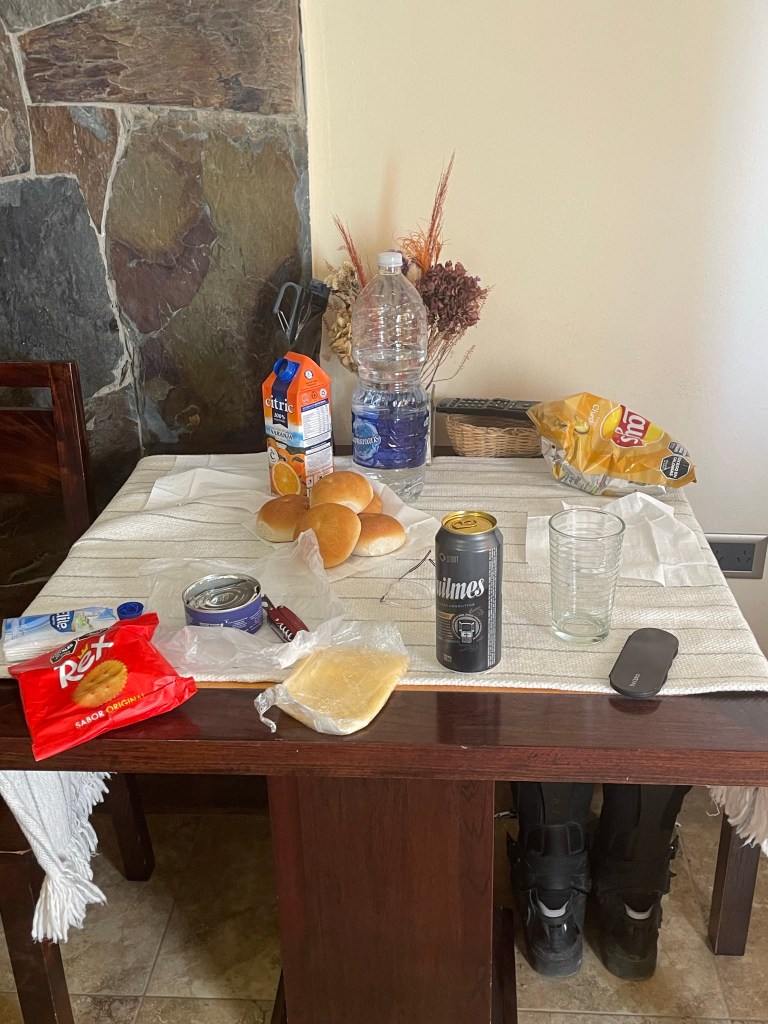
Big problem in Quiaca was we had no currency and the few restaurants were cash only. We managed to change the last of our Bolivian currency with a guy at the bus station. Rate was poor but we needed food and beer. I mean we needed beer and food – let’s get our priorities right. Picnic in the hotel that night.

The following day we breezed down 250 miles to Salta and checked into a nice bijou apartment.

Salta is a great place to visit and a tourist town. We had one day off but we didn’t have any time for tourism. We had a mission – we needed currency. Cash is king in Argentina.

Now I’m not going to bore the pants off you by talking Argentina economy and currency exchange, so let’s stick to the basics.

Argentina has an inflation rate of 170% and that’s where the problems begin. Argentinians prefer to save their money in American dollars and, over time, this has led to greater demand for the dollar and two different exchange rates.

Effectively, $100 US Dollars is equivalent to 35,000 pesos on the official exchange market. However, because of the demand for the dollar, there’s also the ‘unofficial’ blue rate where $100 gets you 100,000 pesos.

Obviously you want to tap into the blue rate and one of the ways to do this is to travel with crisp $100 bills and change them with scruffy looking guys that hang about street corners. They’re the local ‘cambio guys’.

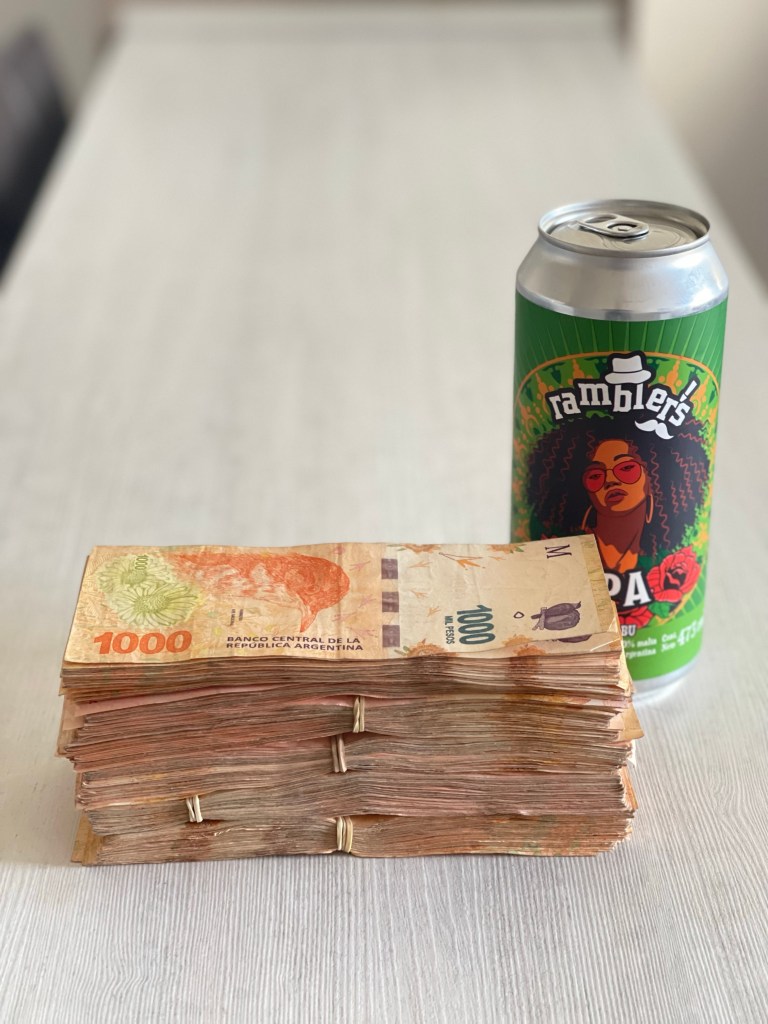
After a day trading back and forth with the ‘cambio guys’, Susan and I had a wad of cash. I put the beer can in their for scale. Don’t you wish you had a wad like me?

All that said, since the end of last year there has been an arrangement with MasterCard/Visa and they will now give you the MEP rate (kind of near the blue rate and much better than the ‘official’ rate). What happens is your card is initially charged the official rate then four days later we get half our payment back as a refund.

It’s completely bananas and I haven’t even scraped the surface of all the other money issues. But I’ve even bored myself now so I’m moving on.

The one other important thing to mention about Salta is that it’s elevation is 1150m. Yup you’re hearing it right – we’re off the Andean Altiplano and back down to a reasonable altitude and breathing normally.

Of course, you will be interested in how ‘coca head Susan’ is doing. Well I’m happy to report I’ve managed the situation well. Well done me.

I got her off the coca tea through measured doses of cocktails, Ritz crackers and some tough love. When there were two beds in our hotel room, I made her sleep alone. It had to be done. She’s a trooper though – every time I banished her to the other bed she kept on smiling. Well done ‘coca head Susan’ for taking it so well.

Now we’re down to manageable altitude, Susan is feeling better. She still has a bit of a problem with the coca candy but her source for new candy is back in Bolivia. So once the current supply is finished we should be fine.

Susan is still saying she deserves to sleep alone but I’m trying to persuade her the tough love session is over. Soon we will be as happy as two llamas in one bed.

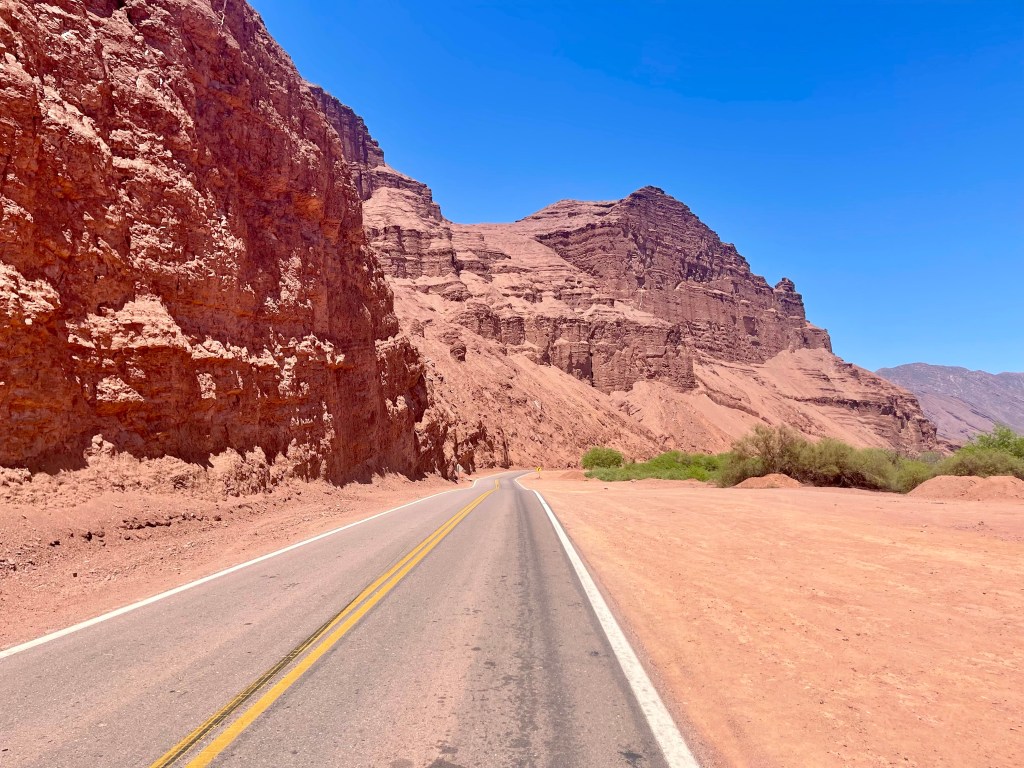
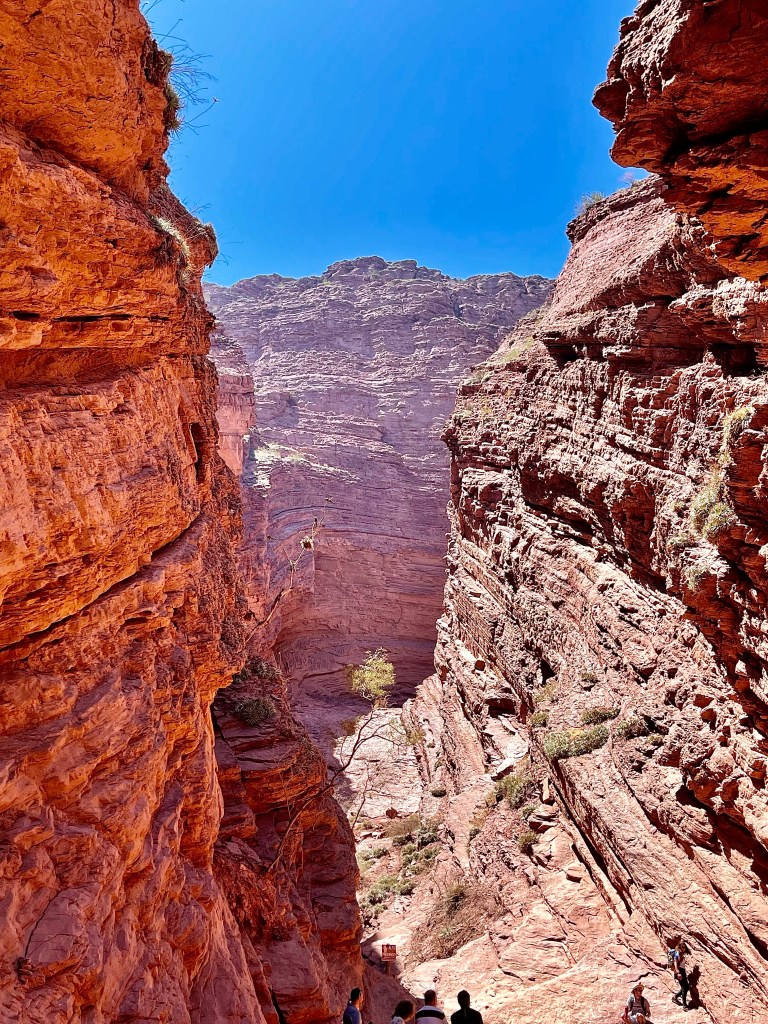
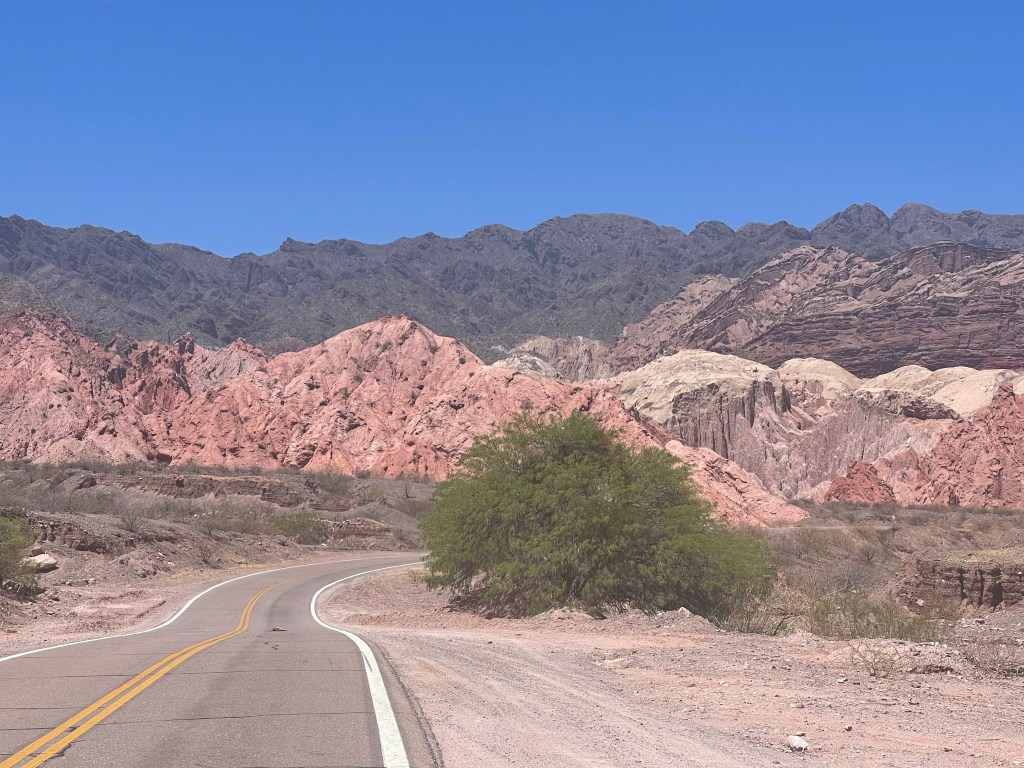
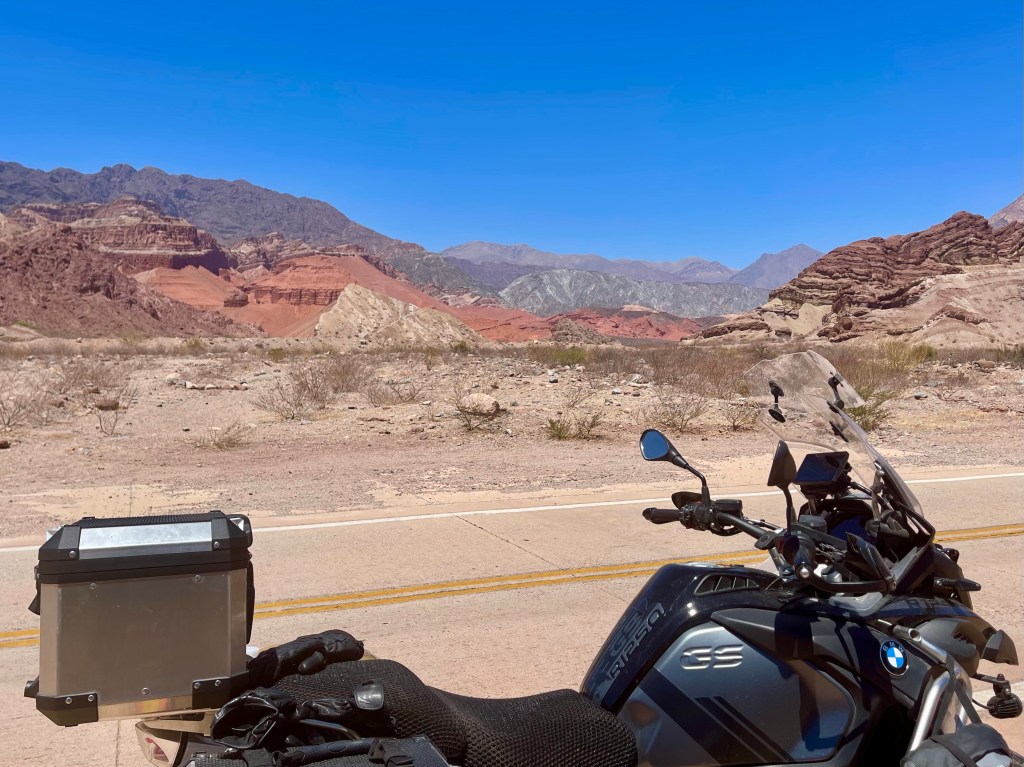
Salta to Cafayate, our next destination, was a marvellous journey. The scenery was spectacular red sandstone.

Cafayate is the centre of an Argentine wine region and we booked into to a lovely wine hotel for three nights. It’s so nice I actually think I may be too good for Susan – I really don’t want her going all soft and ladylike.

We arrived an hour before official check in time and unloaded the bike. Well actually I unloaded the bike whilst Susan sauntered into reception.

Twenty minutes later I’m still outside the hotel sitting in the baking sun on a bench with the bike and luggage. Honestly, it’s not easy being me at check in time. Eventually, Susan returned in that same sauntering manner.

In these situations I always stare at her lips, trying to descern if she’s had a complimentary drink whilst I’ve been waiting. She’s very good at disguising it and the innocence on her face, when accused, is convincing. Oh but I know what’s really going on and one day I will catch her out but today was not that day.

This time Susan was accompanied by the bell boy who spoke English with a French/Spanish accent. Yes I know you’re thinking what the bloody hell am I talking about? Suffice to say when I greeted him with ‘hola mon ami’ the light of multilingualism was switched on between us – we were both language melting pots speaking ‘franspan’ English.

Susan interrupted the ‘franspan’ love in with some reality – ‘we have to wait until the room is ready’ she said, ‘we can wait in the reception’.

No problem I thought because we’ve got a tactic that works time and time again in South America when we’re asked to wait in reception for a room – we make ourselves inconveniently unwelcome.

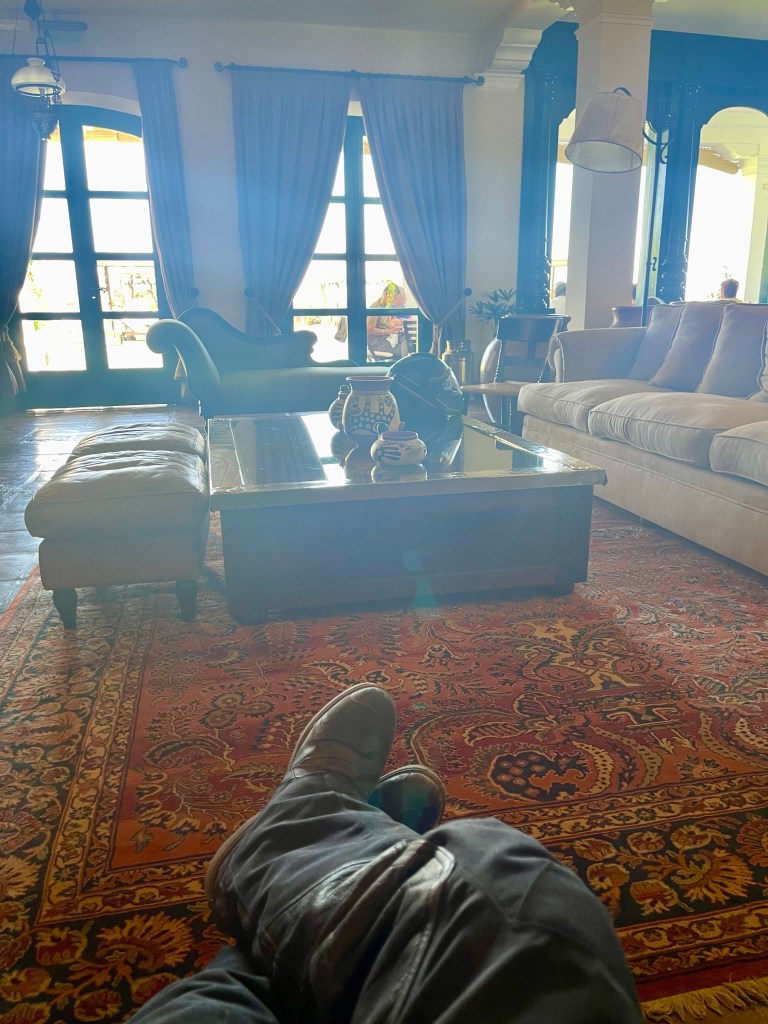
This time, I plonked myself on the faux french 18th century furniture, put my helmet on the glass coffee table, filled my plastic water bottles from their nice water cooler. As I sit there the dust from the road starts falling and settling around me, flies start being attracted to me and when I stamp my feet the dust rises.

Now you see the nice cream settee on the right, I was about to sit there when I was given a stern warning from Susan. That was apparently a step too far.

Soon, ‘Franspan English’ bell boy and the head receptionist are deep in conversation and within 3 minutes of me sitting down, the room was ready. Sweet. And we were out of their reception. Now you may think, well done Clif, good tactic but, to be honest, that afternoon, I was upstaged.
You see as I was sitting there seeping dirt and stour, a French girl arrived with her suitcase to be told her room wasn’t ready. She waited two minutes then opened out her suitcase and unloaded her clothes into the floor to find her bikini. Right in front of the reception desk. She had decided if she was having to wait she was going in the hotel pool. What came next I’m sorry to say I can’t tell you.
Oh I know anti climax. Susan rushed me out of reception as I was staring and hoping she was going to get changed there and then. Yes, yes what a feeble man mind I have. I only wanted to compare the effectiveness of our tactics. However, I’m sure she didn’t have to wait long for her room either. Well done ‘French suitcase girl’, je vous salue!

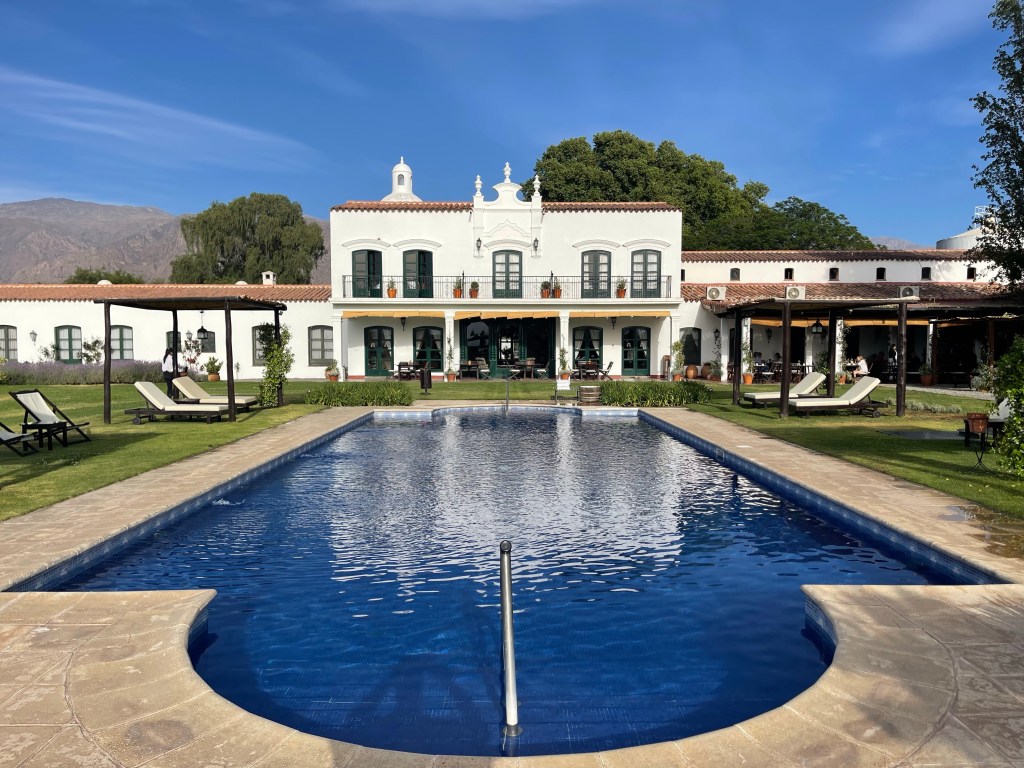
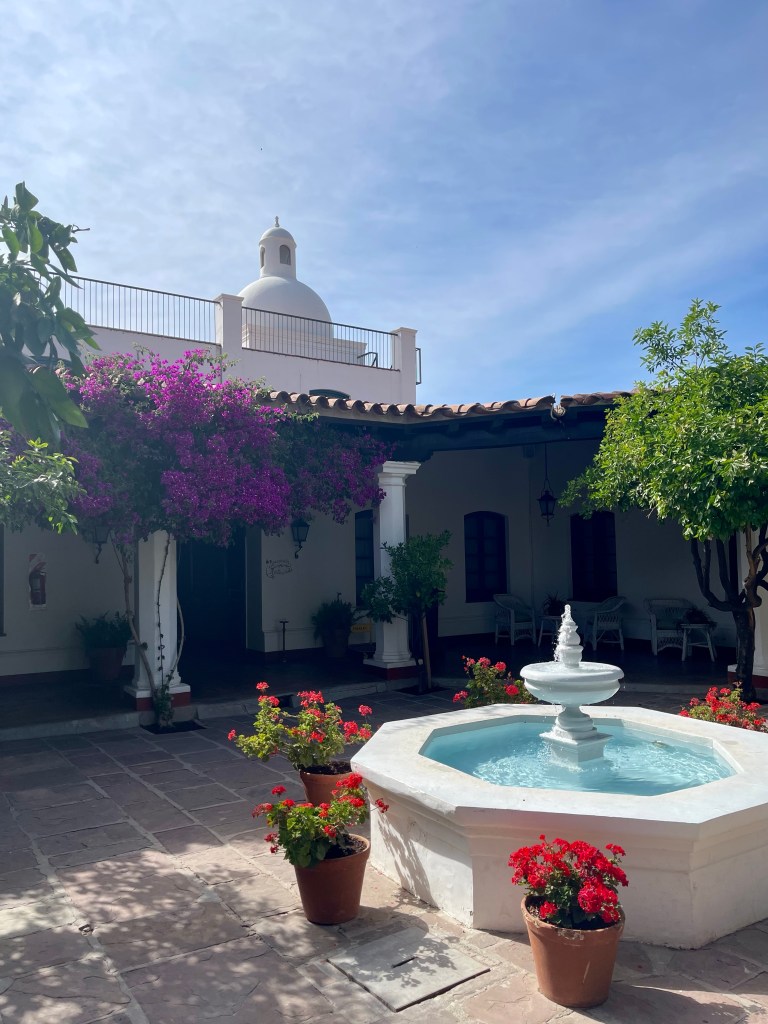
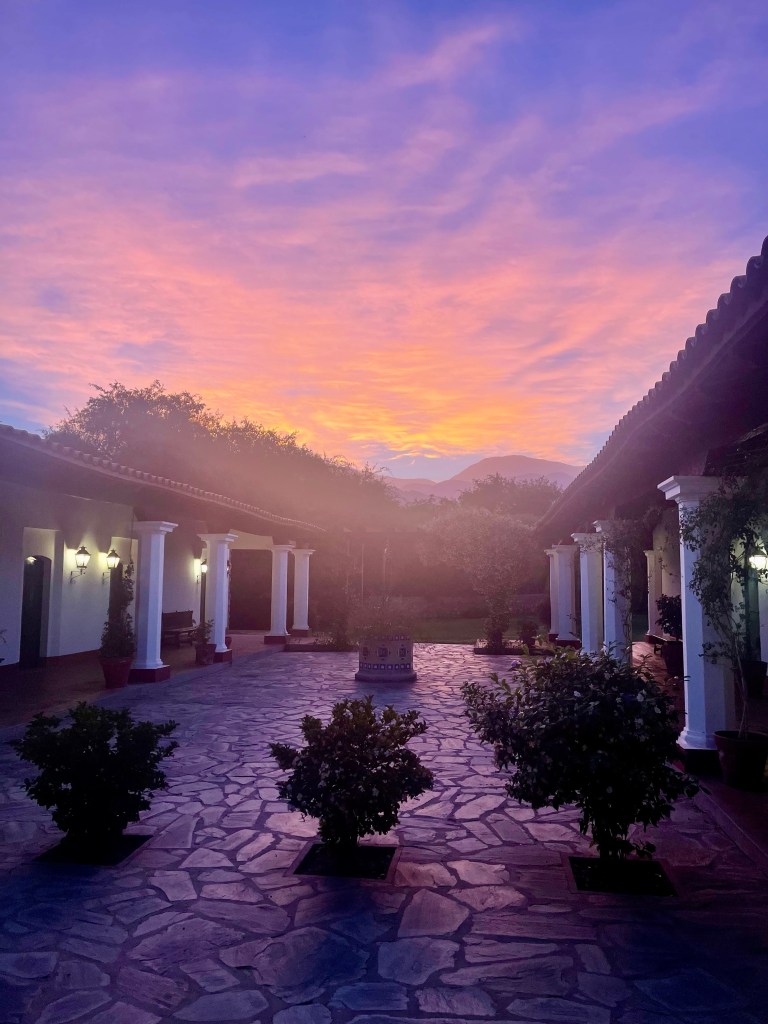
So where’s this place we’re staying at. Let’s see.

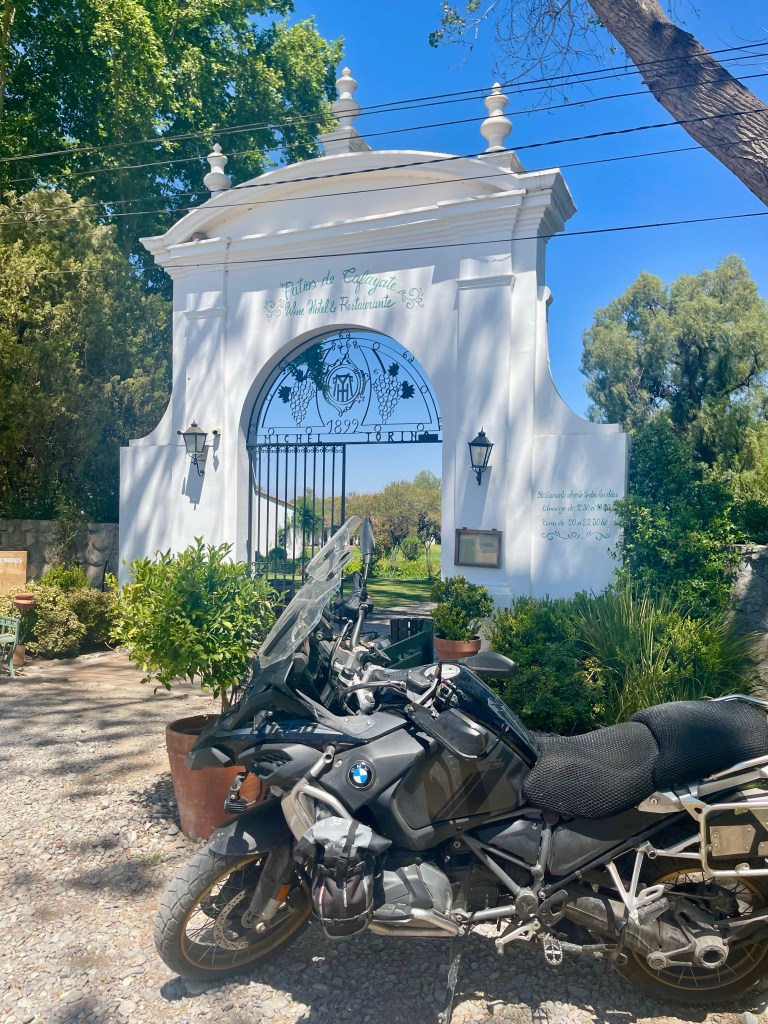
Nice parking place for the steel horse.

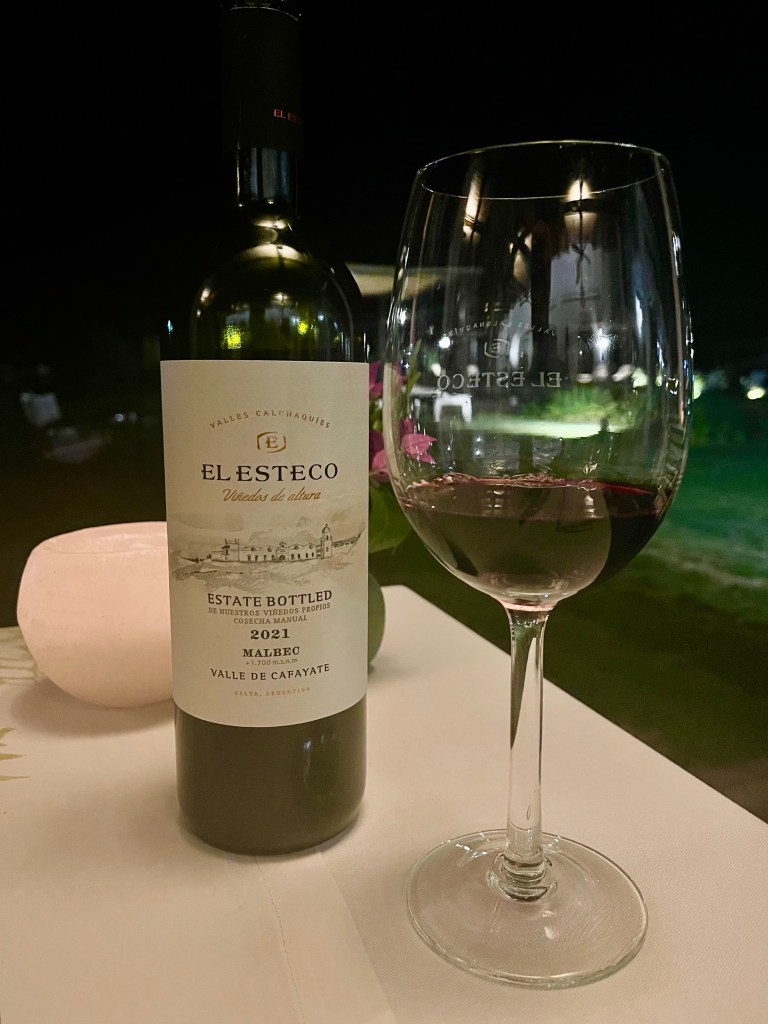
The hotel had a marvellous restaurant, its own wine and served the best steaks I’ve ever had. So we ate, drank and relaxed in the most lovely surroundings wishing we could never leave. Such a lovely place.

‘Last thing I remember, I was running for the door. I had to find the passage back, to the place I was before’.

Yes holiday over, time to get back on the bike!

Salt Salt Baby

Yo VIP. Let’s kick it. Salt salt baby.

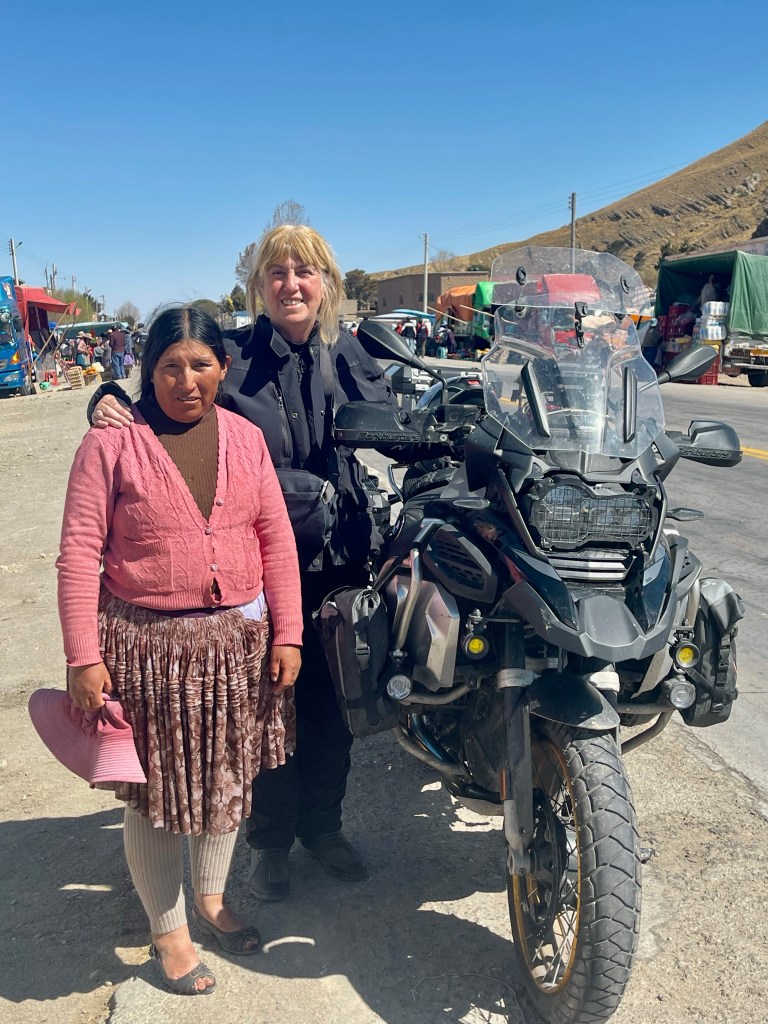
We reached Uyuni after a hot 200 miles. On the way we met a local lady and her husband who wanted a photo of the bike. Susan duly obliged.

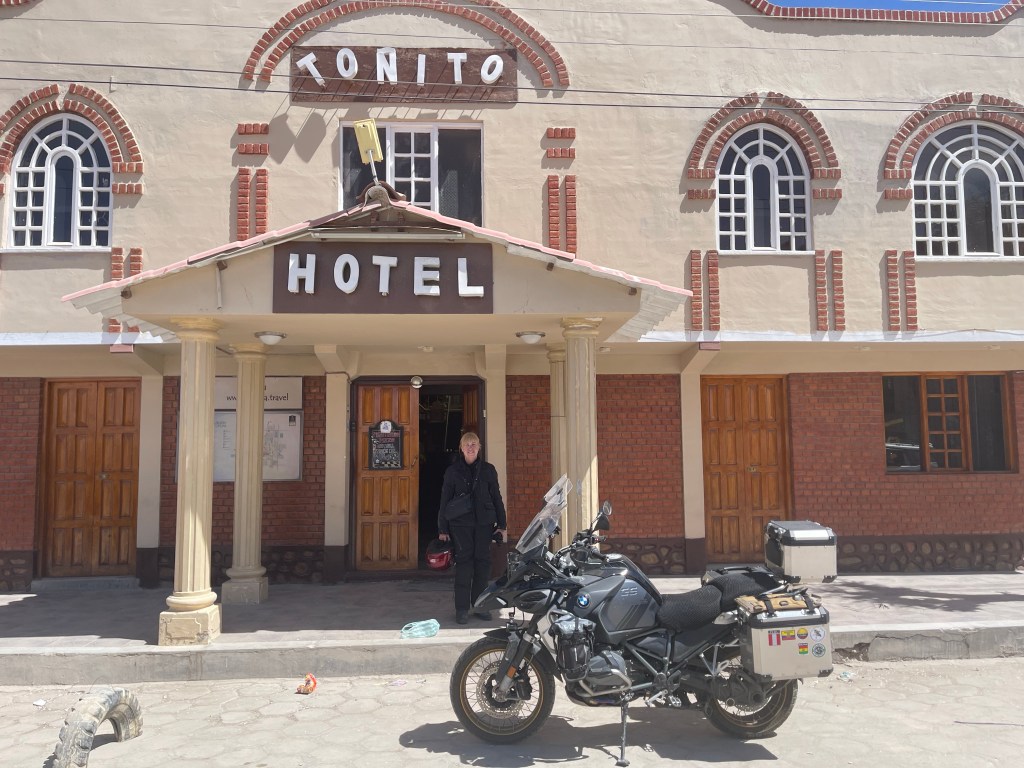
Then it was onto the Tonito Hotel in Uyuni.

Marvellous place with the best Pizzas in South America. I appreciate that context is everything and I may be losing my mind in the hot blistering sun but, regardless, they were damn fine pizzas. You may scoff at great pizzas in back of beyond Bolivia but scoff ye not because I present the evidence.

You see, the owner was American and has worked and owned pizza restaurants most of his life. Still not convinced? Then how about a reference from the great man himself, once the coolest restaurant reviewer in the world.

Please indulge me for a minute whilst I give a quote from Bourdain on the meaning of life.

‘Eat at a local restaurant tonight. Get the cream sauce. Have a cold beer at 4 o’clock in a mostly empty bar. Go somewhere you’ve never been. Listen to someone you think may have nothing in common with you. Order the rare steak. Eat an oyster. Have a negroni. Have two. Be open to a world where you may not understand or agree with the person next to you but have a drink with them anyways. Eat slowly. Tip your server. Check in on friends. Check in on yourself. Enjoy the ride’. Anthony Bourdain.

If that quote doesn’t do it for you then just stick to 42. I’m fine with that too.

Moving on from Pizzas, let’s talk about why we were in Uyuni. In a word salt.

The town of Uyuni sits on the edge of the Salar de Uyuni, the world’s largest salt flat. Formed by the evaporation of prehistoric lakes, it consists of salt crust a few metres thick, covering nearly 10,000 sq. km. Following rain, a thin layer of water transforms the salt flat into the world’s largest mirror. Big enough even to see your …. (sorry if I finish this sentence Susan will just censor it so I may well as well stop there!).

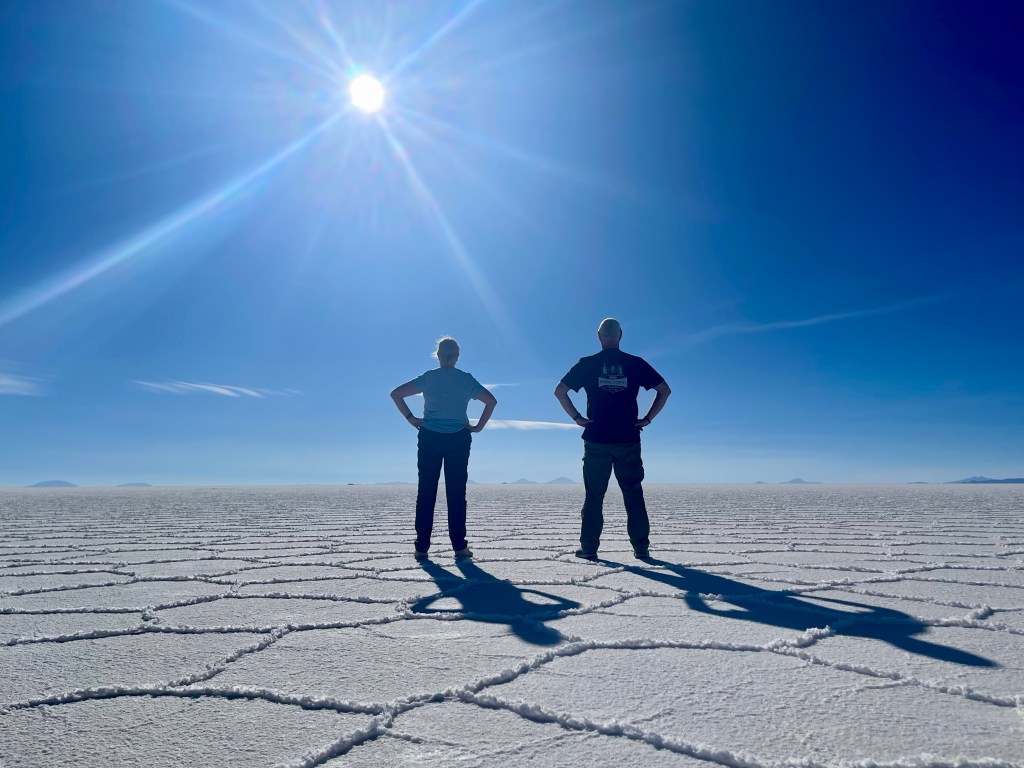
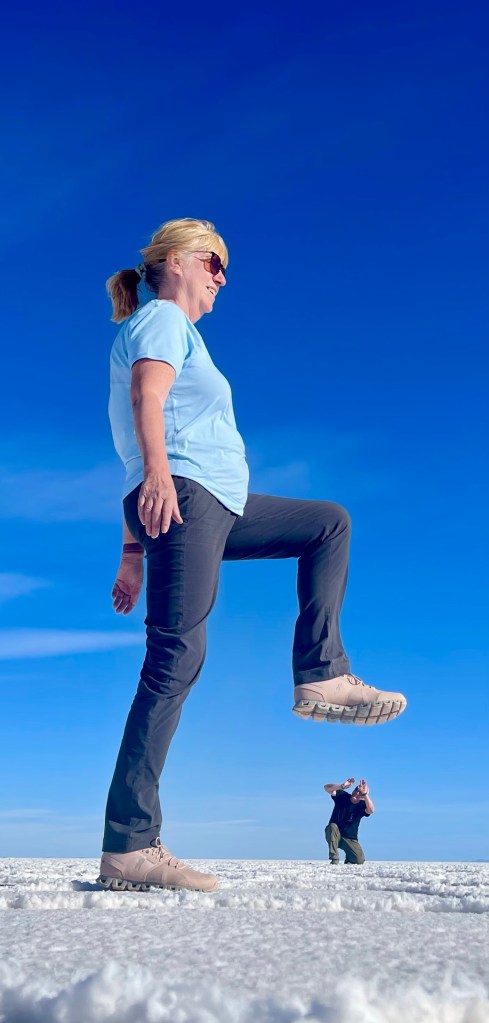
So that’s the facts. However, we’re tourists and what do tourists do? They hire a guy in a ‘nature crunching jeep’ and tear over this natural wonder just to get a few ‘awesome’ photos. And today we’ve got such awesome tourist photos you’re going to be so impressed and so sad you missed out on this awesome salt ‘nature crunching jeep’ journey.

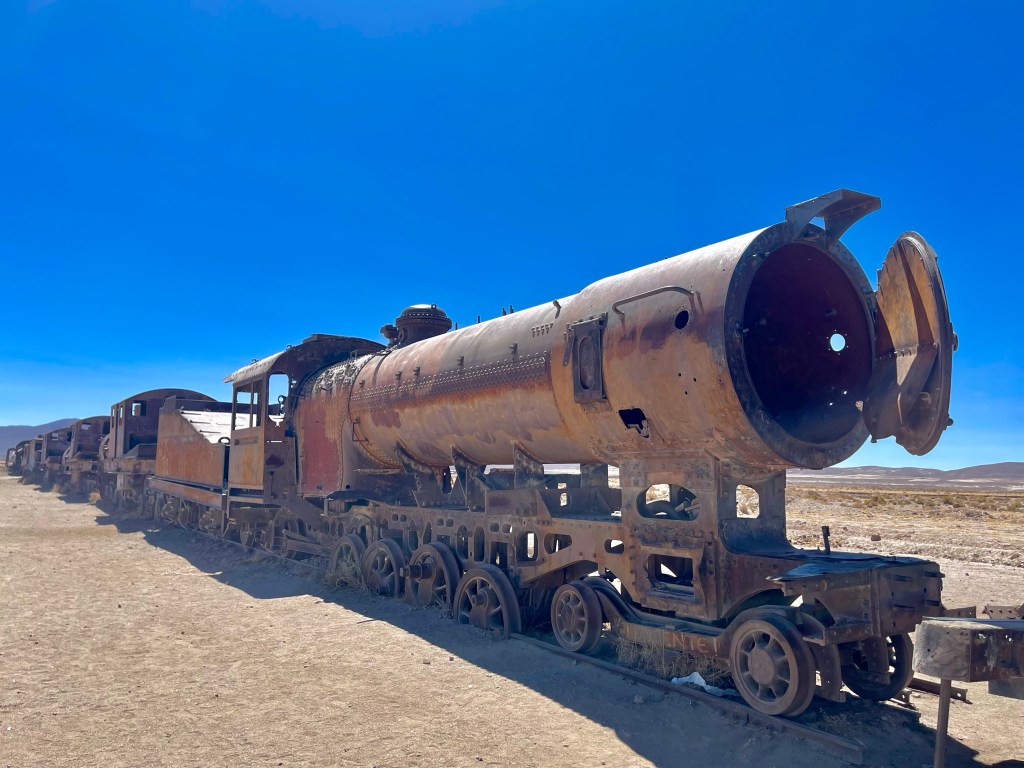
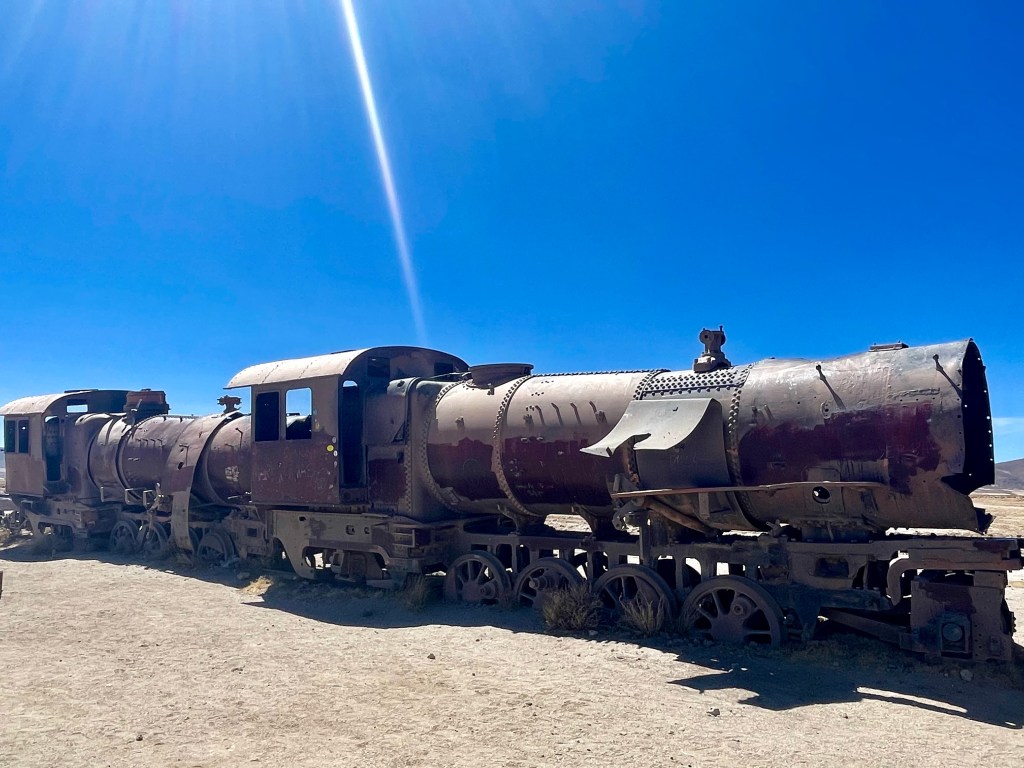
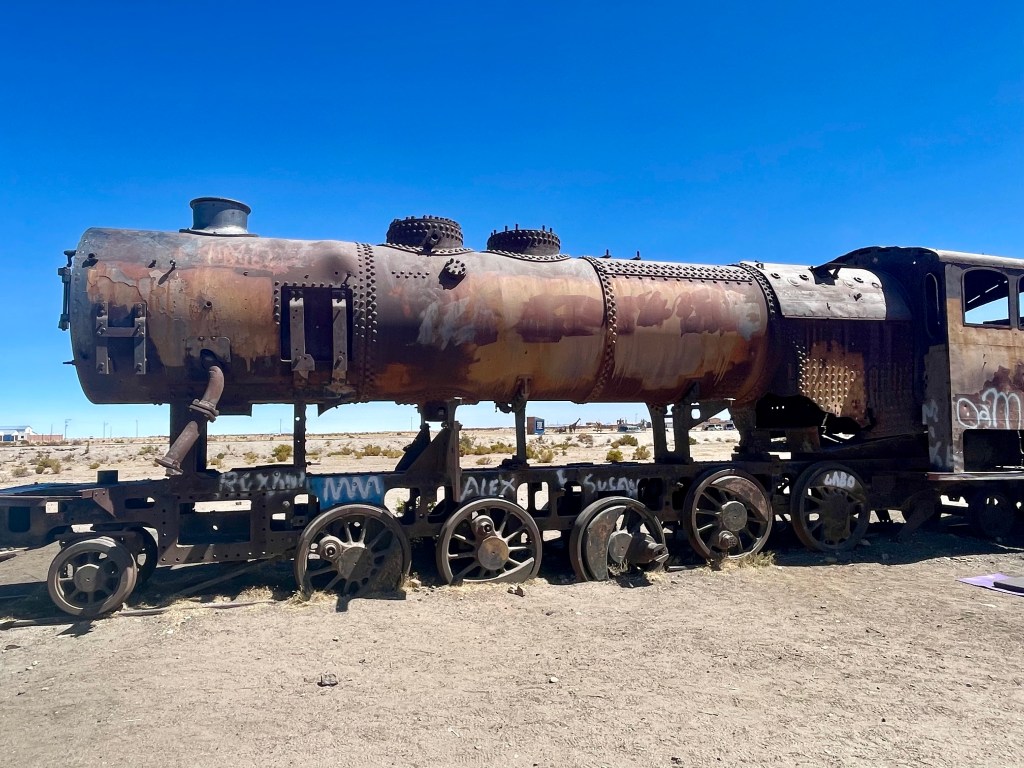
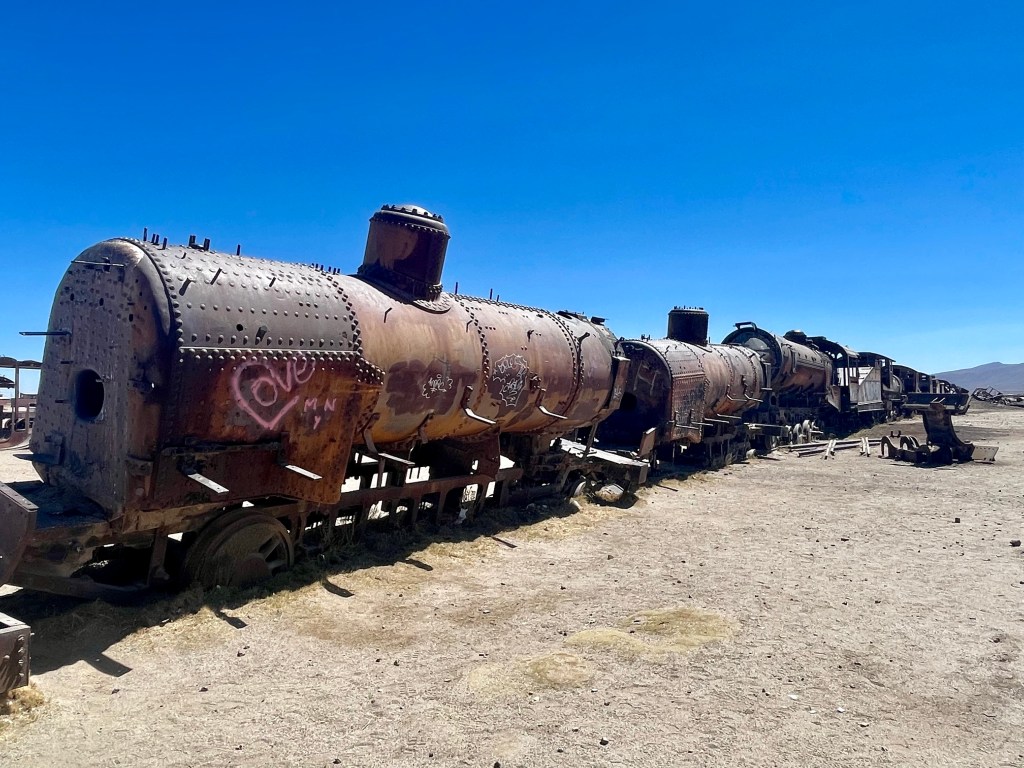
We started at a cemetery. A cemetery for dead trains.

Most of these guys are from Britain and were used to haul minerals such as gold, silver and tin from Bolivia to the Pacific coast. Then the War of the Pacific came along (1879-83) between Bolivia and Peru and Chile. It resulted in Chile annexing the coastal area and cutting Bolivia and it’s mineral industry off from it’s export route. The war put these big guys out of a job.

Over the years, more and more of these big guys came here to rest and their massive steel structures have been weathered down by a mixture of salt and strong winds. Rest in peace big guys. Casey Jones is waiting for you in train heaven.

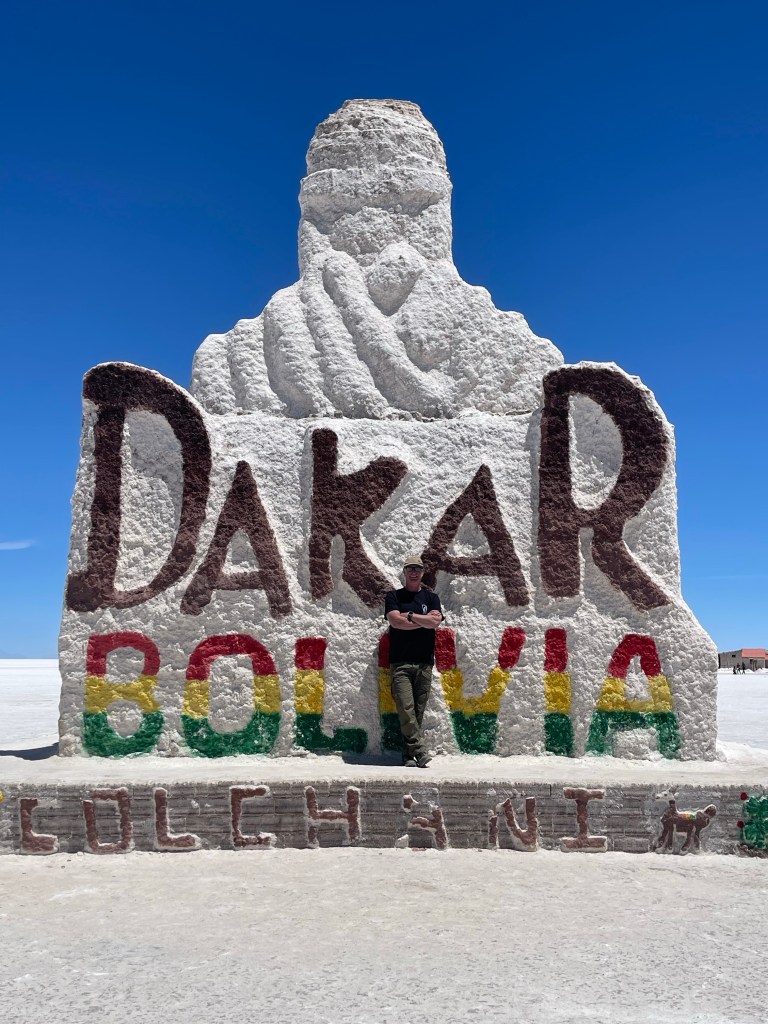
Now back to salt, salt, baby and let’s start with a photo of me. Freakin’ awesome!

The Dakar Rally is the world’s toughest rally race and this salt monument commemorates it’s visit to Bolivia in 2016.

If you zoom in you will notice the old man beard has gone. I thought the white beard might clash with the white salt and photos would show me with the lower half of my face missing. You may laugh but it was a big sacrifice for my art.

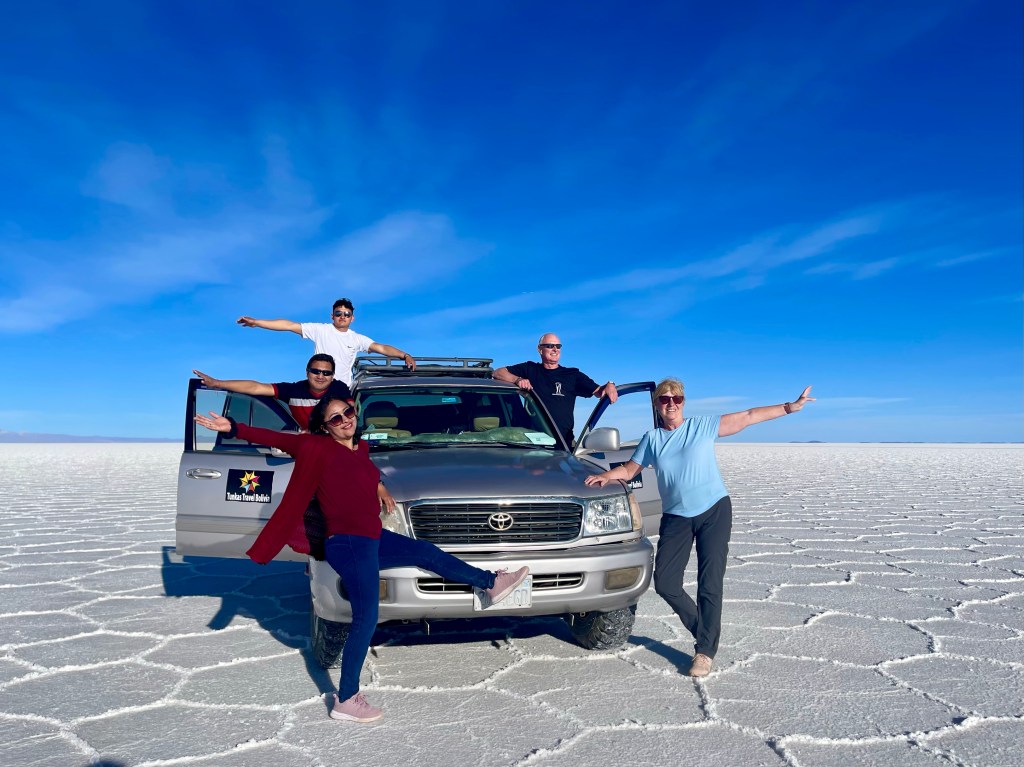
Here’s our ‘nature crunching jeep’ and our fellow tourists. You have to admit we’re looking pretty awesome. Actually, if you look closely you will see four people doing the silly poses as instructed by the ‘nature crunching jeep’ driver. There’s only one person actually looking awesome. I will leave you to make up your own mind!

Let’s now have a photo of Susan with a salt flamingo balancing on her shoulders. What an awesome balancing act that was.

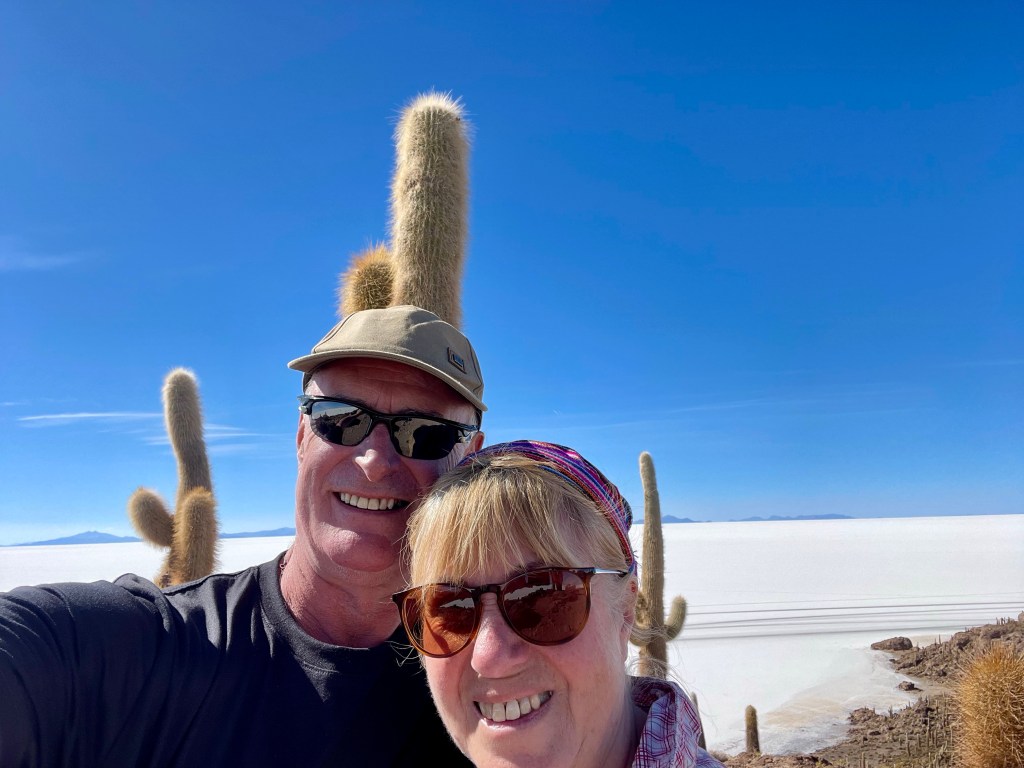
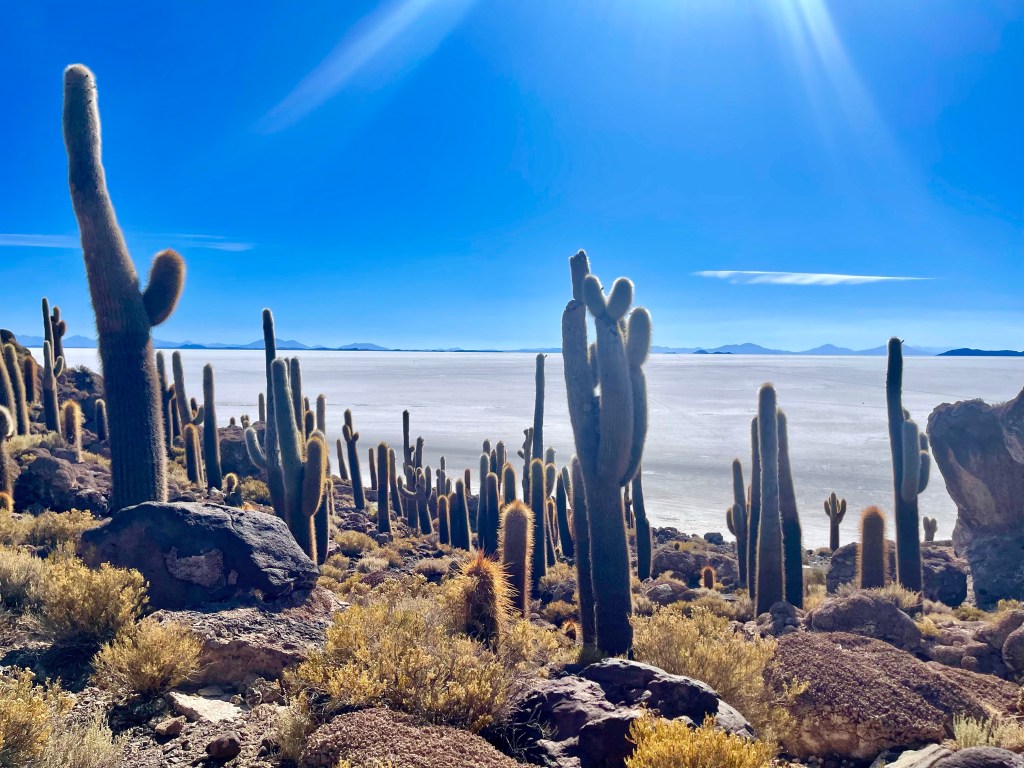
Then we went to an island in the middle of the salt flats where cacti thrive. We managed to get a great selfie of the pair of us.

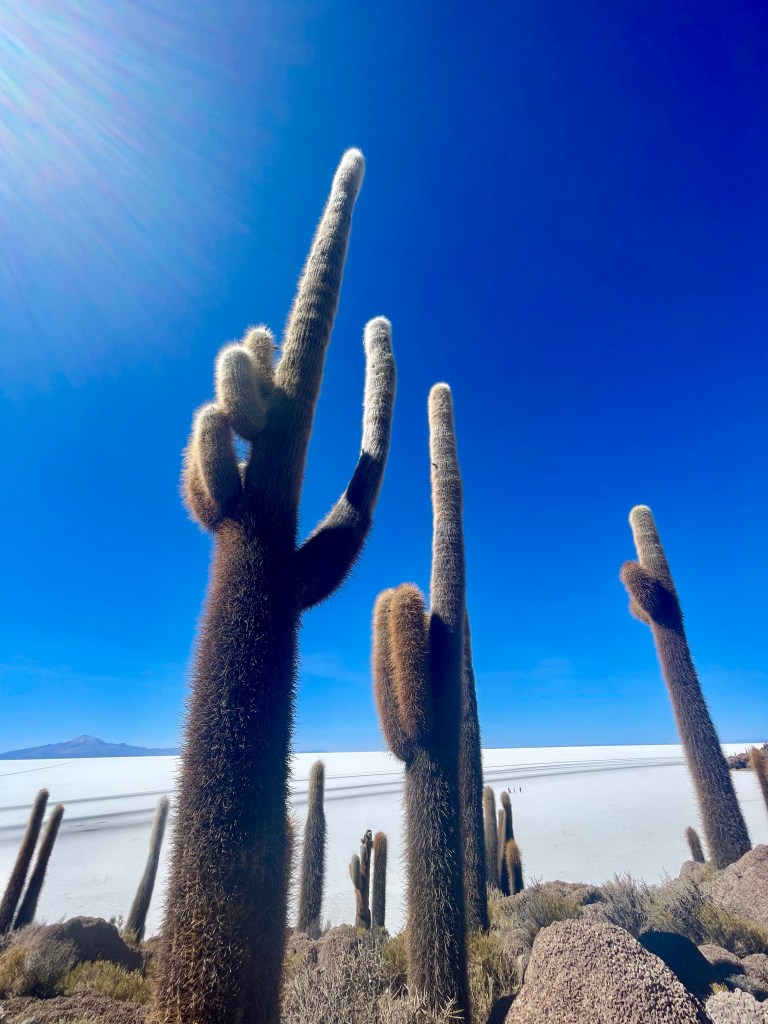
The cacti were naturally quite awesome. Some were over 800 year old.

Giants standing guard over the salt flats.

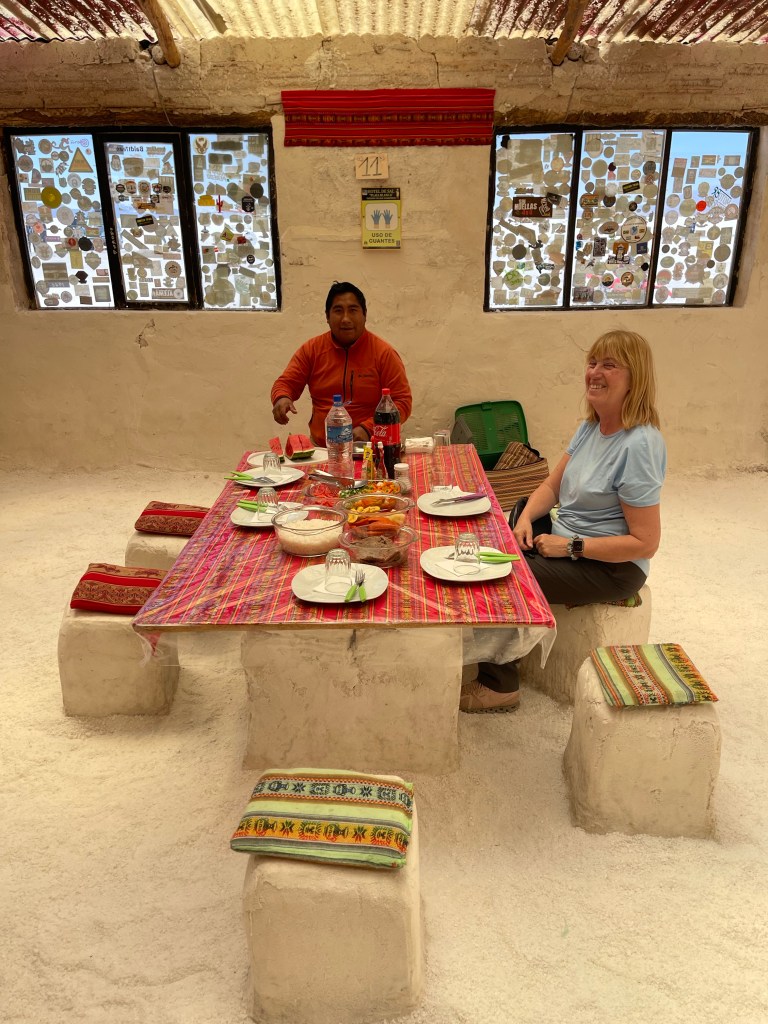
We had lunch in the Salt Hotel where the walls and furniture are made of salt. Great spread provided by the ‘nature crunching jeep’ driver. Susan is laughing her head off – she’s just asked the ‘nature crunching jeep’ driver if he has any salt to go with the meal. Oh how we laughed for ages over that one!

Then it was a case of ‘you wouldn’t bloody believe it’.

That very morning I answered a comment from ‘Laid Back David’ on the blog. He asked me if we had seen any other touring cyclists on our journey. Well to date, in all our motorcycle travels, we had only seen a couple.

Oh you may be asking who is ‘Laid Back David’. Well he’s the proprietor of Laid Back Bikes in Edinburgh and is the guy that sold us the Nazca Quetzal tandem. He’s directly responsible for all the pain and suffering ‘oh poor Susan’ had to endure cycling across three continents.

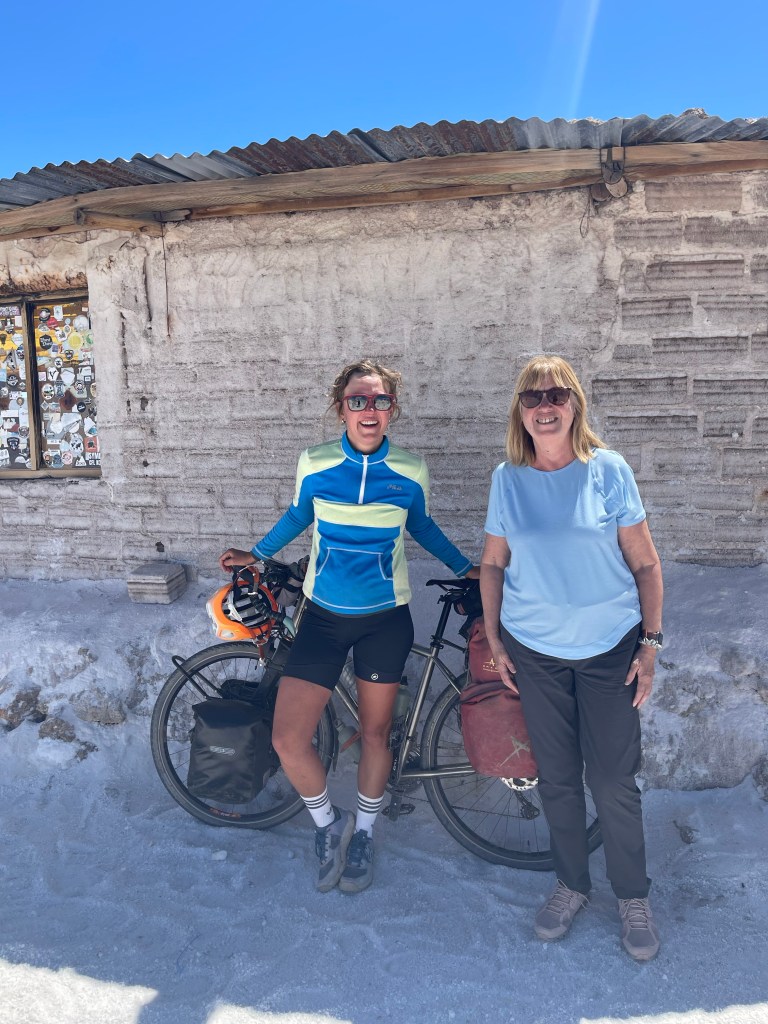
So ‘Laid Back David’ asked the question and after my lunch in the Salt Hotel I walked outside and, lo and behold, I met Jo.

It was a slightly embarassing introduction from myself. I started off pretty confident as I had shaved off my beard and no longer looked like a potential seedy old man.

I saw the bicycle propped against the wall and approached the only girl in cycling shorts. That in itself is a risky move but I was confident in my new clean shaven wholesome look. ‘Do you speak English?’ I asked. ‘Well I hope so, I’m English’ Jo replied.

In hindsight it wasn’t the best question to ask someone from England, so as a footnote to myself, I’m reverting to my ‘do you come here often’ initial chat up line.

So this is Jo who has cycled from Boston and will sometime end up in Buenos Aires. She was cycling across the salt flats and had spent the night on cactus island in her tent. A very friendly person who must have astonishing strength and determination. We wish her well on her journey.

Now it’s time for more posed photos. I just know you haven’t had enough!

And here’s a photo representing my life on the road.

I can do videos too with my awesome temporary chums.

Then, as this awesome day drew to a close it became even more, can you believe it, awesome!

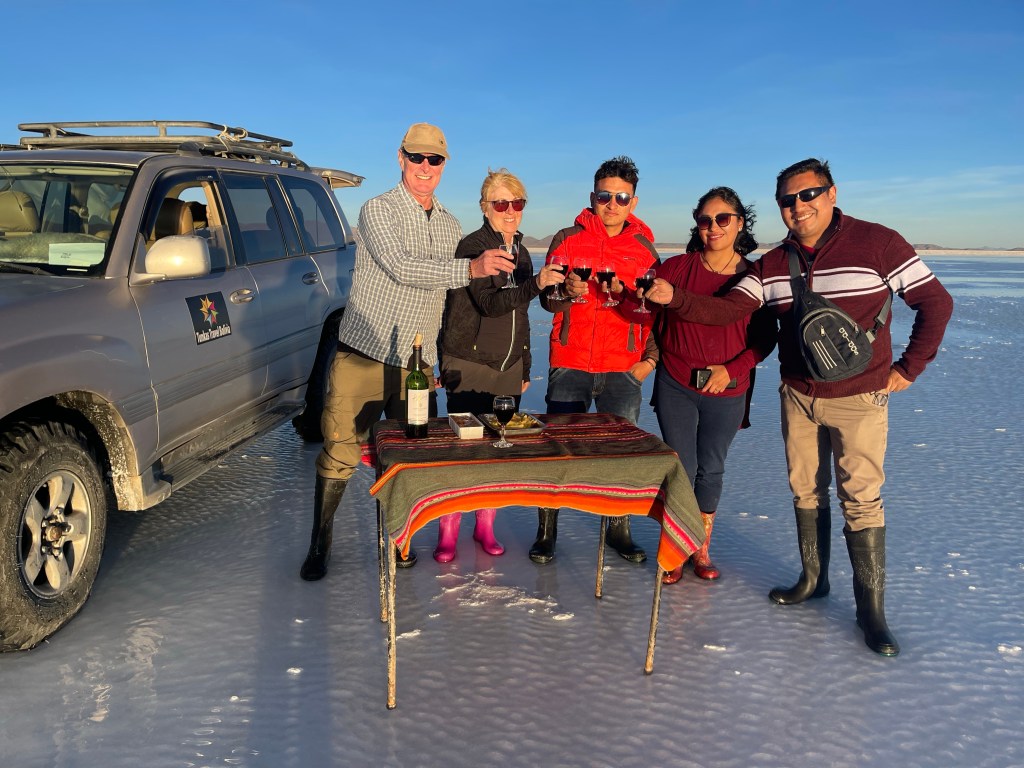
Just listen to this – ‘nature crunching jeep’ driver supplied us wellies and a picnic!! I bet you’re beside yourself with excitement to see the next photos.

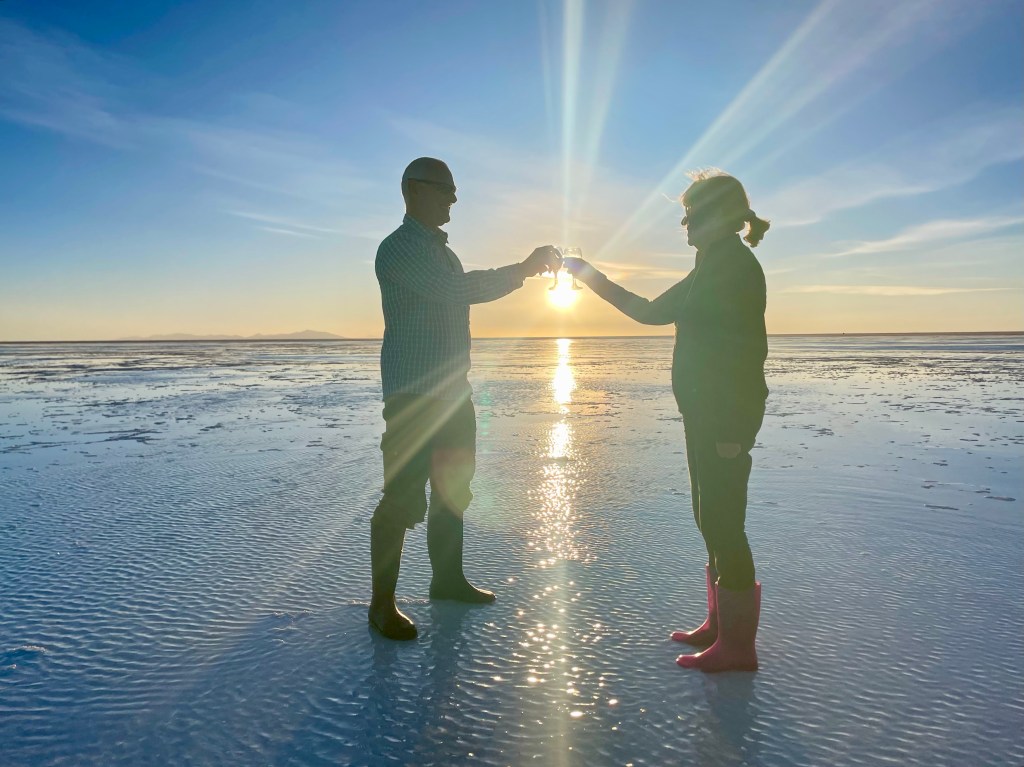
Yup that’s me in black wellies and pink ones for Susan. ‘Nature crunching jeep’ driver really came through for Susan. I was quite taken aback thinking about all the other feet that had stood in these borrowed wellies over many years. It was like walking in history I thought. Absolutely welly awesome.

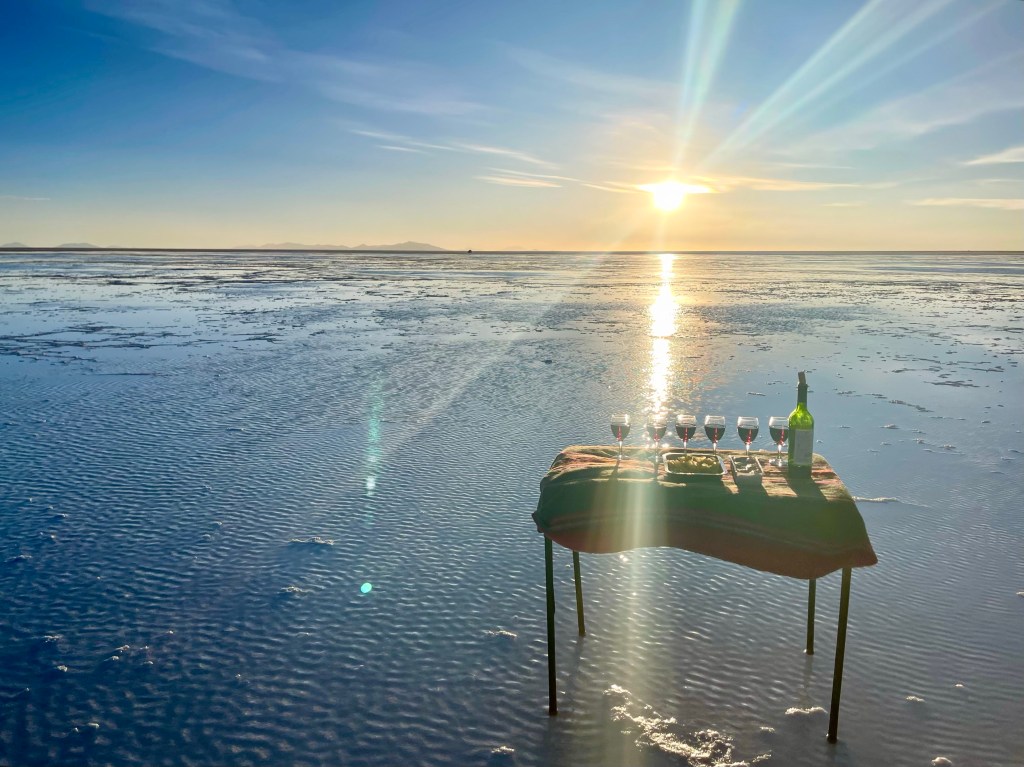
‘Nature crunching jeep’ man drove us to a part of the Salar where the salt was covered in water, opened out a picnic table with snacks and a bottle of Bolivian red. Nice.

And please, never say I’m not romantic.

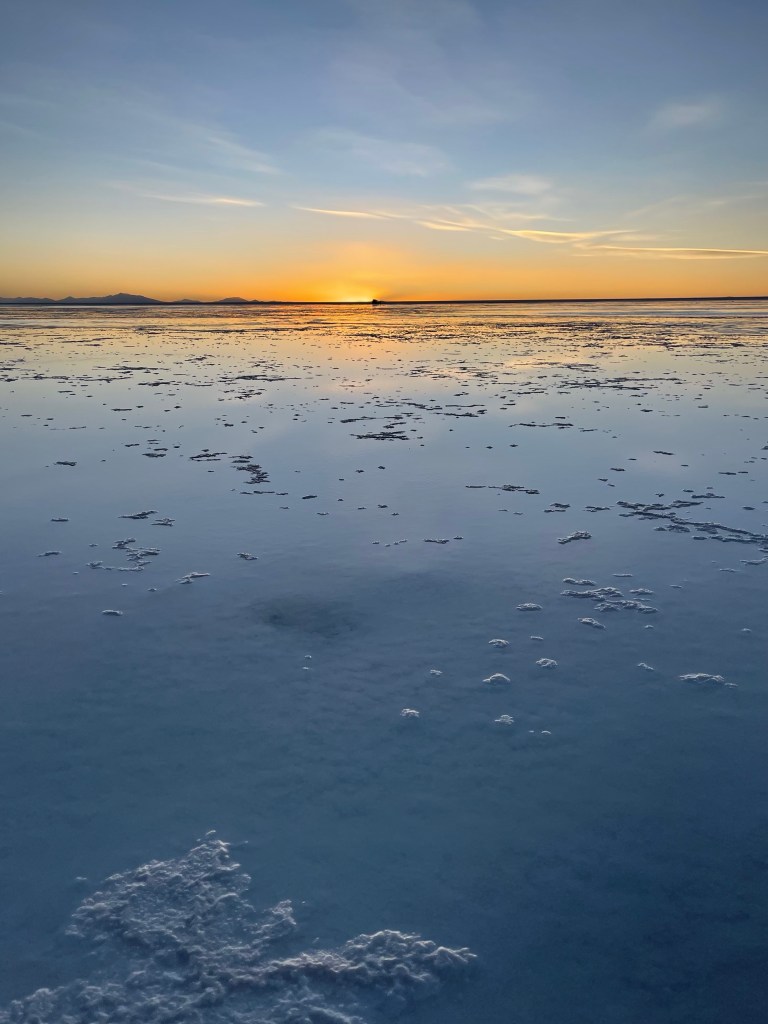
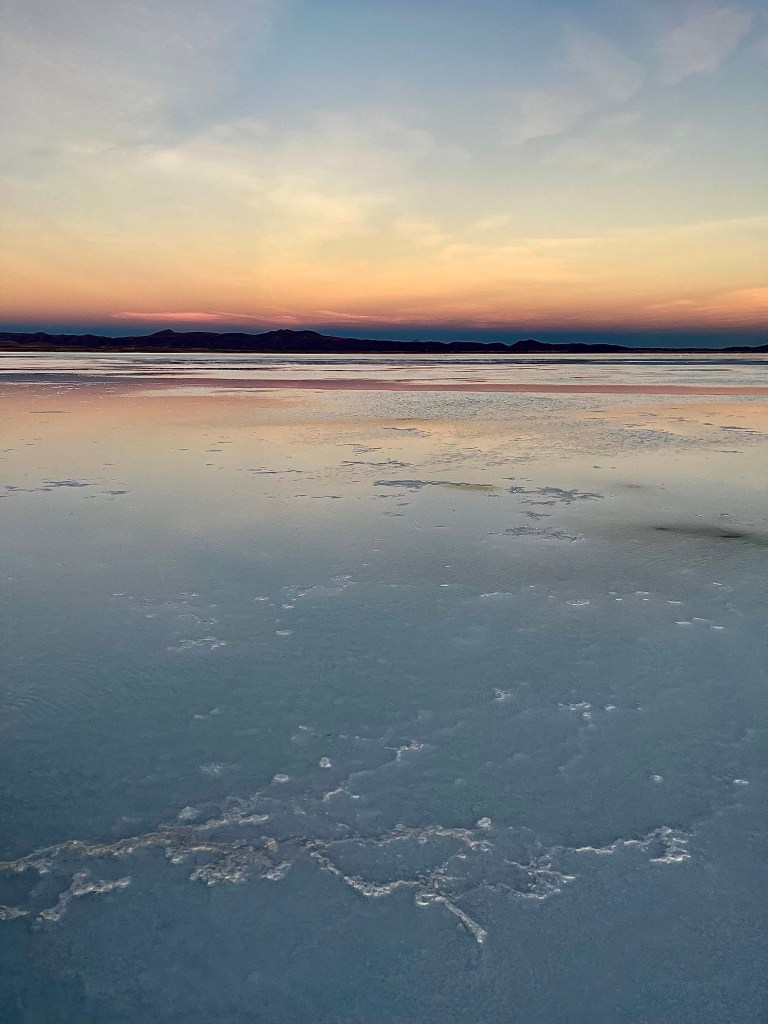
Then the sun set.

And it was back in the ‘nature crunching jeep’ to our hotel and the best pizza in South America and draught IPA beer.

What an awesome day.

Salt salt baby.

The Sights & Sounds Of Colourful Bolivia

A quick catch up post as I’m falling behind on our progress through wonderful South America.

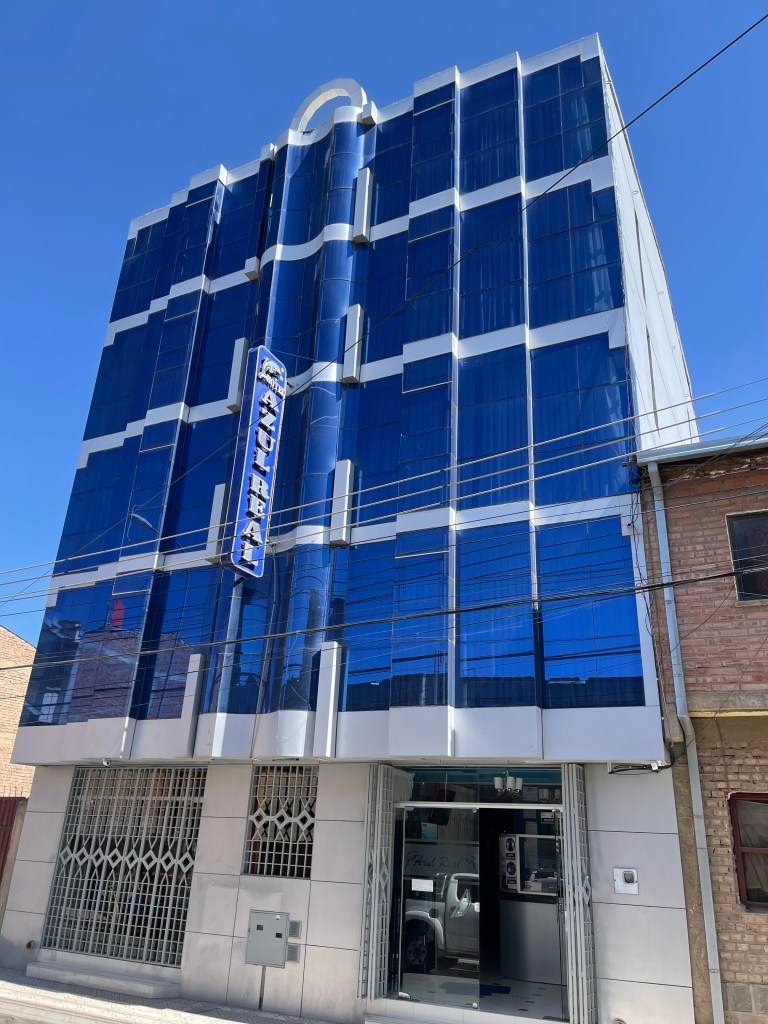
On the way to Uyuni we had an overnight stop in Oruro. Look at this hotel we stayed in. ‘The Royal Blue’ hotel.

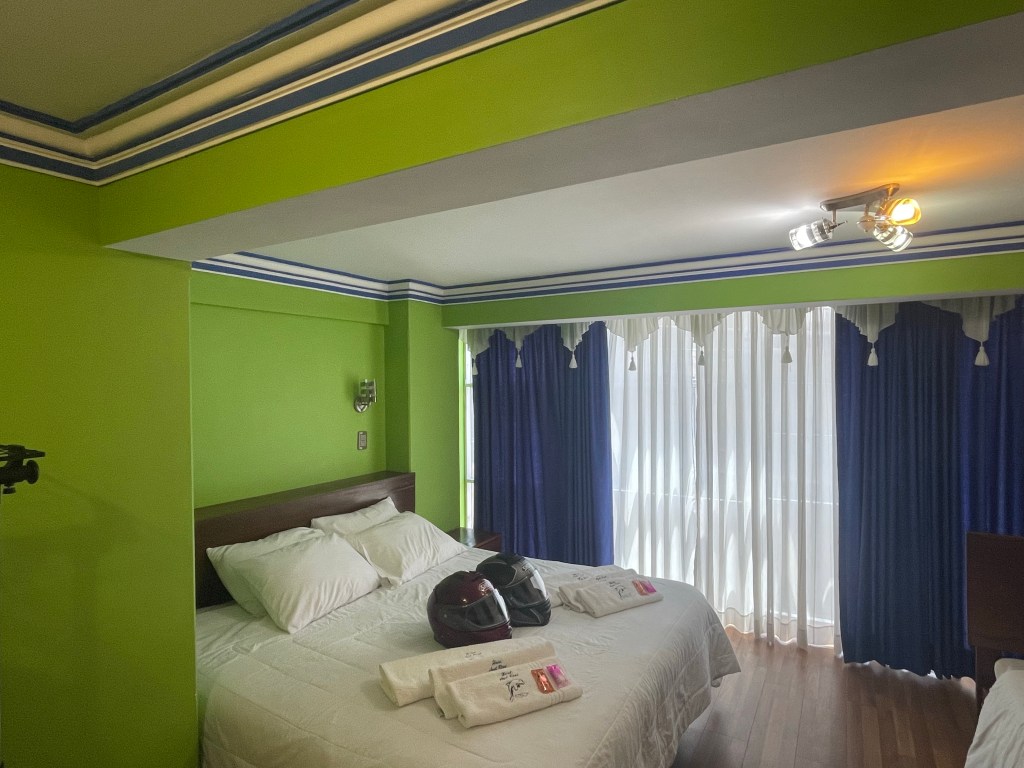
The bedroom was just as spectacular.

Do you like the careful artistic positioning of the ‘hats’ on the bed for the photo? I’m just a waterfall of ideas.

Have you ever stayed in a more garishly colourful hotel? I think not! Please don’t show these photographs to your partner or they will be saying ‘why don’t you take me to colourful hotels like Clif takes Susan’.

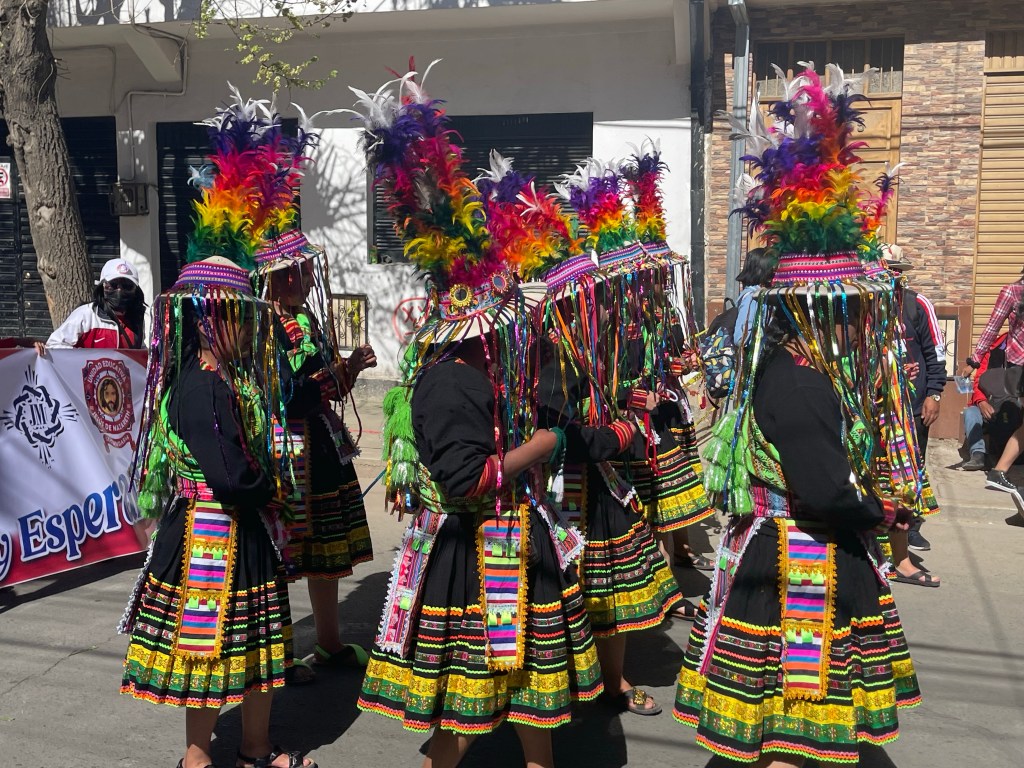
We checked in and went out for a walk, coming across a parade in town that appeared to be representing the indigenous tribes of Bolivia.

In Medellin, I posted a video of some young people and their rap music. I appreciate such music is not to everyone’s taste and so, to cater for older folk and even the balance, here’s something right down your street – big band music just like the Glenn Miller Band. Diversity is my middle name. Please enjoy.

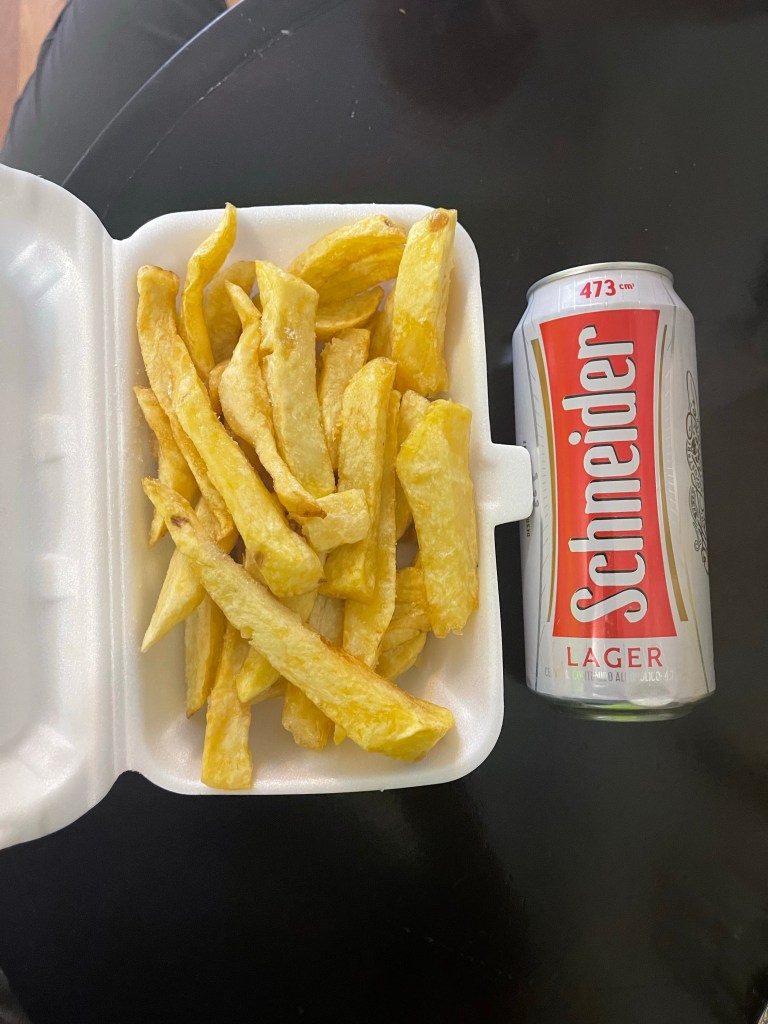
Now it was great day but there was a bit of a downside at the end. The photos below shows our dinner that night – we shared a polystyrene box of chips.

You see all the local restaurants appeared to specialise in chicken and chips. We couldn’t see anything else on offer and the cooked chicken sat in glass cases in the hot afternoon sun. We had a long day on the bike the following day so we took the safe option and passed on the chicken. The chips looked nice.

Unfortunately, as I’ve mentioned previously their potatoes are not like the soft fluffy things in the UK. They can be rough and tough and these tatties were obviously tough enough to be in the Bolivian marine core.

Oh, and next morning I had a dodgy tummy – when you’re trying to be so careful, life can bite you in the ass. C’est la vie as we say in South America.

Not So Titillating La Paz

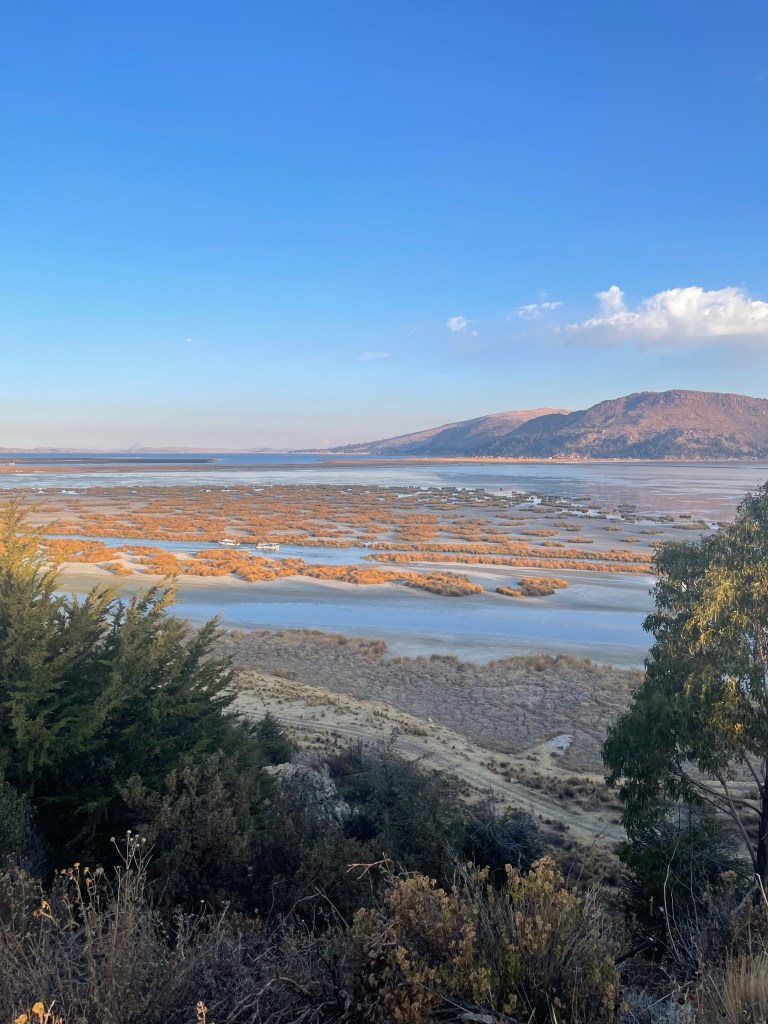
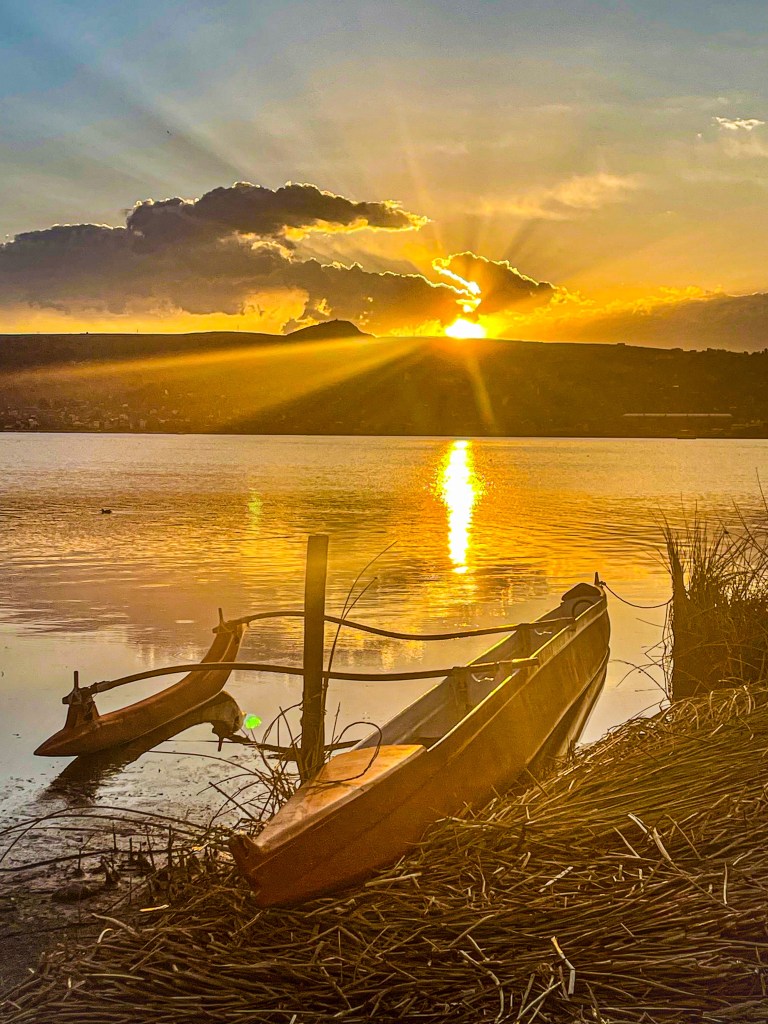
240 miles from Cusco we reached Puno on Lake Titicaca and stayed in the large GHL Hotel with a room overlooking the lake. We just had enough time to take a few photos and catch the sun setting.

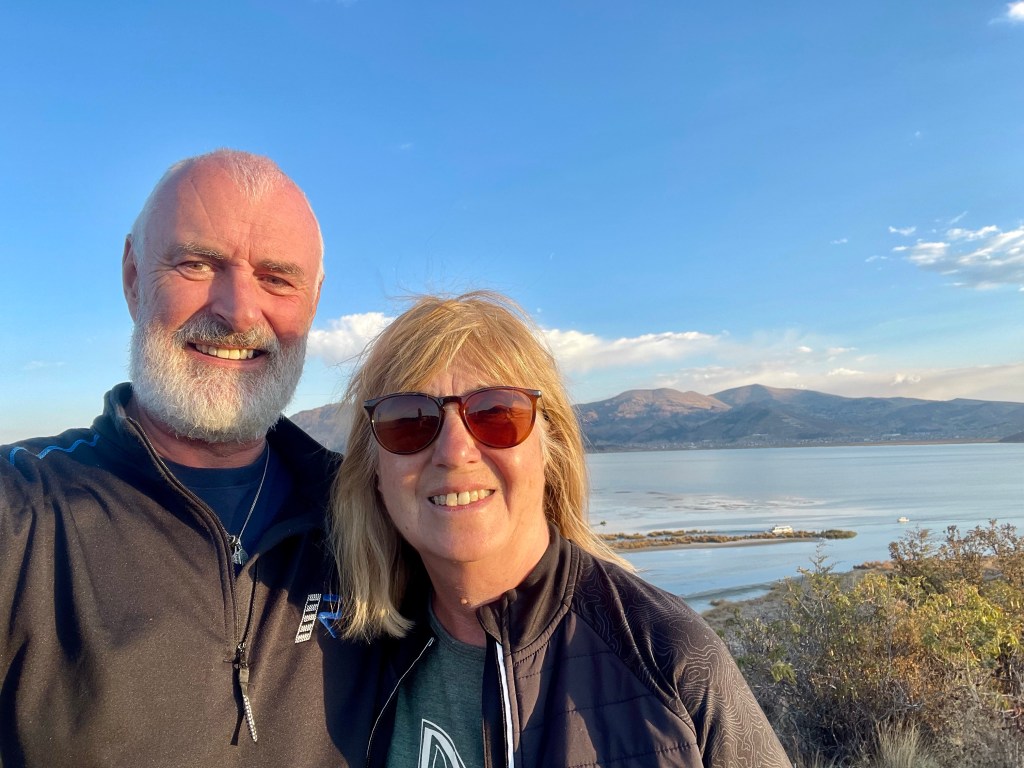
And here’s Susan with Captain Birdseye.

Lake Titicaca is the highest navigable lake in the world at 12,500 feet and, on Titicaca Island, the Inca empire was founded around 1100 CE.

Moving on. From Puno we travelled 164 miles to La Paz, crossing the Bolivian Border at Desaguadero. After an early start we arrived at the quiet border and quickly passed through passport control. Then it was time for the bike. Do you recall the issue at the Ecuador Peru border where they recorded the wrong number plate? Although this was later corrected by another customs guy I had a feeling this could be an issue when we tried to leave Peru and it surely was.

The Peru customs guy was a young lad, spoke English and was friendly enough. He said there wasn’t a problem when he read the certified correction and checked the chassis and engine numbers were correct.

However, it took a 30 minute call to someone else to allow us through. I could tell by the manner of the conversation that it was touch and go. He had a very concerned look on his face. I suspected there was a bureaucratic person on the other end of the phone saying the error had to be corrected at the point of entry. Why did I think this? – because I read in another blog that’s what Peruvian border guards made someone else do. Our issue was that the point of entry for us was nearly 1700 miles away!!

It was a tense nervous time. Susan appeared very calm under the circumstances, munching away on a packet of Ritz crackers. I suspect she had been on the coca sweets this morning – she was just too calm under the circumstances.

Eventually, after a fraught telephone conversation we were allowed through. It had become a very uncomfortable situation and the customs guy had gone from chatty to being unable to look me in the eye then almost running away. I’ve no idea what was going on but we shot off as fast as two old people on a heavy bike could go.

We were now in Boliva.

We reached the outskirts of La Paz at 1pm and looked forward to an early check-in. Unfortunately, traffic in La Paz is a nightmare. The main road into the city was closed and ripped up for repair. It looked like it had been closed for years.

Time after time again in South America we are following the main highway through various towns and cities to find it blocked for about 1-2km. The detour is always through dirt, rubble streets with traffic jams, craters rather than potholes, and pits of deadly sand everywhere. Traffic moves about 3 mph which is absolutely no good for a motorcycle. It’s a bloody nightmare.

We have learned our best course of action is, at the very dodgy bits, Susan gets off and walks whilst I ride the bike through.

Today in La Paz we were detoured into a marketplace through streets lined the market stalls and an absolute jam of thousands of private taxi mini buses. I honestly don’t exaggerate when I say thousands.

Susan got off the bike and walked ahead as ‘spotter’ to try and let me know what’s was happening down the road through the helmet intercom. However, nothing moved so I switched off the bike and sat there in a sea of minibuses.

Oh, and I forgot to mention we were kind of lost anyway. We had just crossed the border and our phones had no local signal in Bolivia. Sat Navs were down and all I had was Garmin maps that I wouldn’t rely on to get me to the end of my bed. Effectively we were going nowhere fast and even if we could get somewhere fast we had know idea where to go fast.

After two hours we managed to free ourselves out of the market jam mayhem. Then it was down into La Paz itself. By now I was guessing the route in a kind of jedi way. Well, I knew we had to go down so down the mountain we went.

La Paz is the highest capital city in the world and sits in a canyon bowl type depression surrounded by the high Andean mountains. Now this road down into the canyon was nightmare, incredibly steep and the tightest of hairpins. Motorcyclists talk about climbs and hairpin routes in the UK – they need to come to La Paz to discover the real horror, I mean the real joy, of motorcycling.

The line of traffic crawled down the mountain. The majority of cars are clapped out and travel far too slow for the motorcycle to stay upright. But we did, just, time and time again. It was a worrying time for me with Susan and all that weight on board.

Nearing the end I had a problem with my brakes. The rear brake in particular was ‘fried’ – I think that’s what cool guy motorcycle people say. Then the rear brake made a ping noise and was next to useless. The front brake slowed us just enough to continue.

Every time I left a small gap to the car in front some idiot driver would overtake, cut in front, brake suddenly then continue at 2-4 mph in a queue of slow moving, downward travelling traffic. I’ve come to learn that they don’t think they’re doing anything wrong or aggressive. It’s just how they drive, its how almost everyone here drives, with absolutely no consideration for any other road user.

Somehow we got to our hotel and parked the bike. We were totally exhausted, dehydrated and struggled to find the energy to unload the bike in the thin high altitude air. I didn’t even want to look at the brakes – that was a problem for tomorrow. I wasn’t avoiding the issue it’s just that sometimes I have to find the energy to properly deal with the issue and think clearly. Today wasn’t that day.

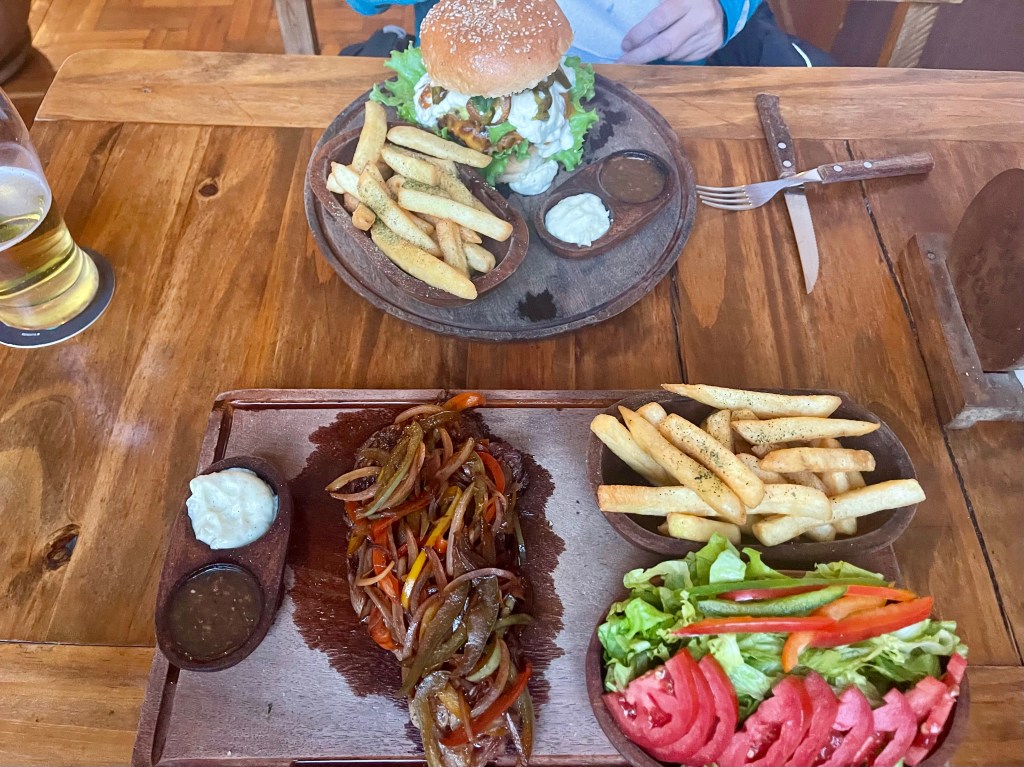
That night we found a great establishment called Burgers and Beer. I was drawn to the place like a bee to honey. It was run by a young Italian Bolivian who was a knowledgeable beer head and sat drinking his own beer because it’s so good.

Susan ordered a veggie burger and I got the house specialty steak. We were back to being happy as two very, very tired llamas.

The brake issue was an anti climax. After having a quick look at the brakes the following morning I quickly determined they were fine. They had overheated and that was the issue. To be honest, I still didn’t have the energy to contemplate anything else. Sometimes you have to keep positively moving forward on a wave of ignorance. Or so I’ve found.

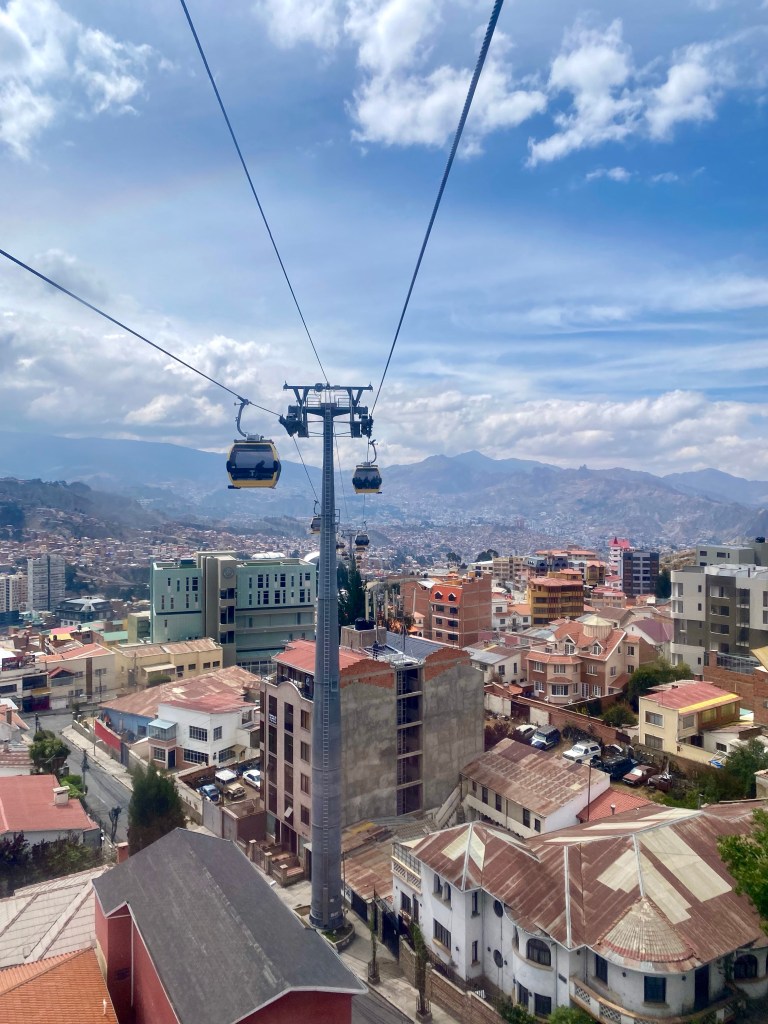
So we spent the rest of our rest day visiting La Paz. And how do you travel in La Paz, a city built into a steep canyon? By cable car of course.

La Paz has an interlinking system of cable cars known as Mi Teleferico. It’s an aerial cable car transport system along ten lines and 25 stops. It’s the longest aerial cable car system in the world and travel on it is easy, fast and a delight. Just as well because the roads of La Paz are a horrible, chaotic, congested, polluting, noisy environment.

We visited the main city square and it’s not the prettiest. Some of it was a dump but I’ve got to take my hat off to the people that approved the construction of the black carbuncle towering above the main government building in the principal civic square. It looks like an alien spaceship has landed.

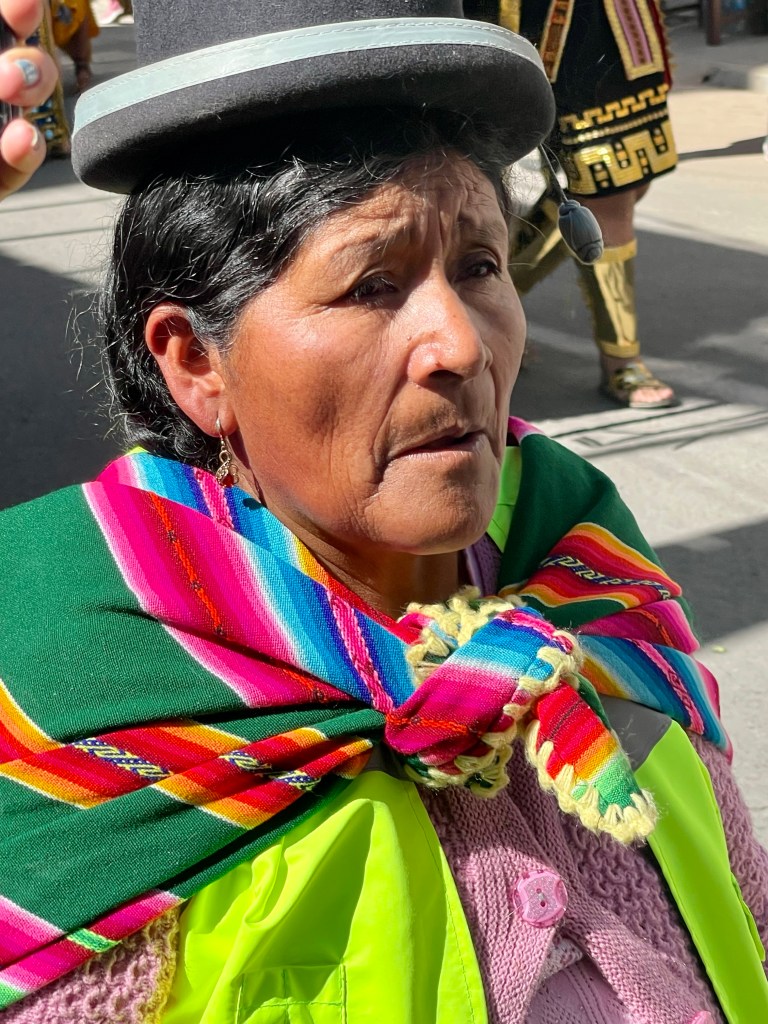
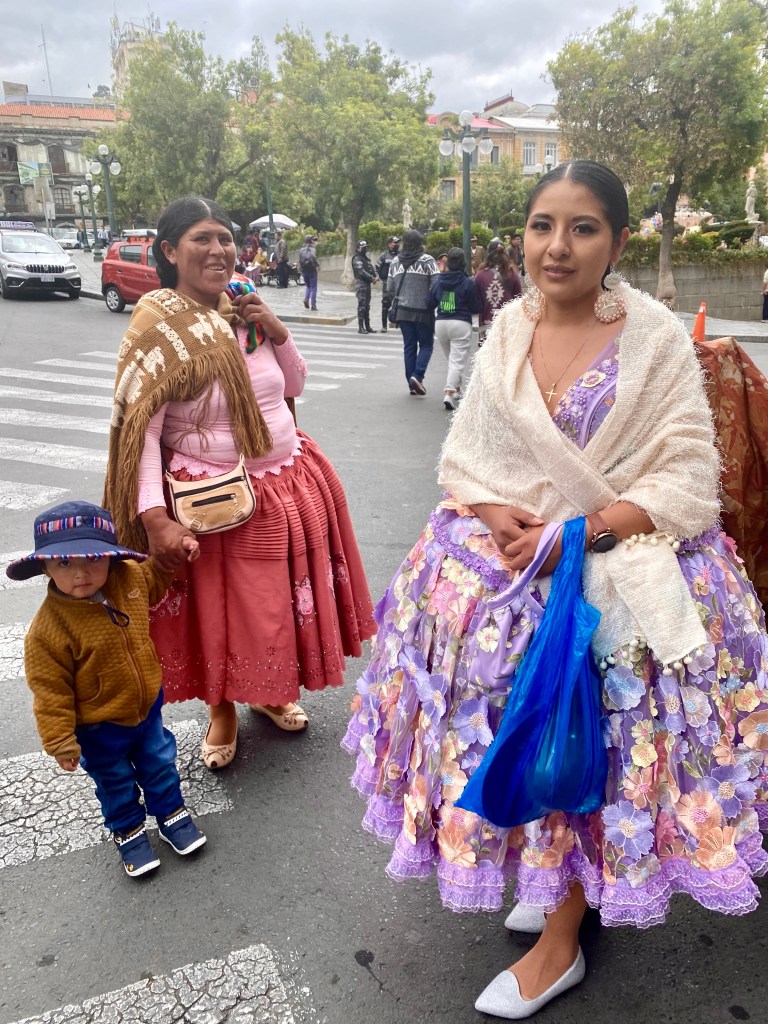
At least we came across a Bolivian wedding in the cathedral to brighten up our morning. The local ladies look great in their traditional hats and dress. It’s a pity the women in Scotland didn’t have such style 😉

We walked over to the Witches Market, a tourist trap. As we’re tourists we walked right into it. And as tourists always say, it was awesome. Actually it wasn’t. I can’t say it’s tourist tat like the tat you get in Europe made in China. This stuff is all handmade, local and in wonderful colours. I suppose it’s the Premier League of tourist tat.

However, if you look past the souvenir shops you can find authentic witch doctors, known as yatari, who will sell potions and dried things. The most infamous dried thing they sell are llama fetuses that are buried under the foundations of many Bolivian houses as a sacred offering. And if there’s something unusual going on you can be sure I will take a photo. I’m an awesome tourist so pick your baby llama to bury under your next house extension👇

So that was La Paz. Lovely, nice people. Horrible, traffic and pollution. Glad we visited. Glad to leave. Glad we won’t be going back.

Cusco Coca Concern

It was a short two hour journey down the road from Ollantaytambo to Cusco.

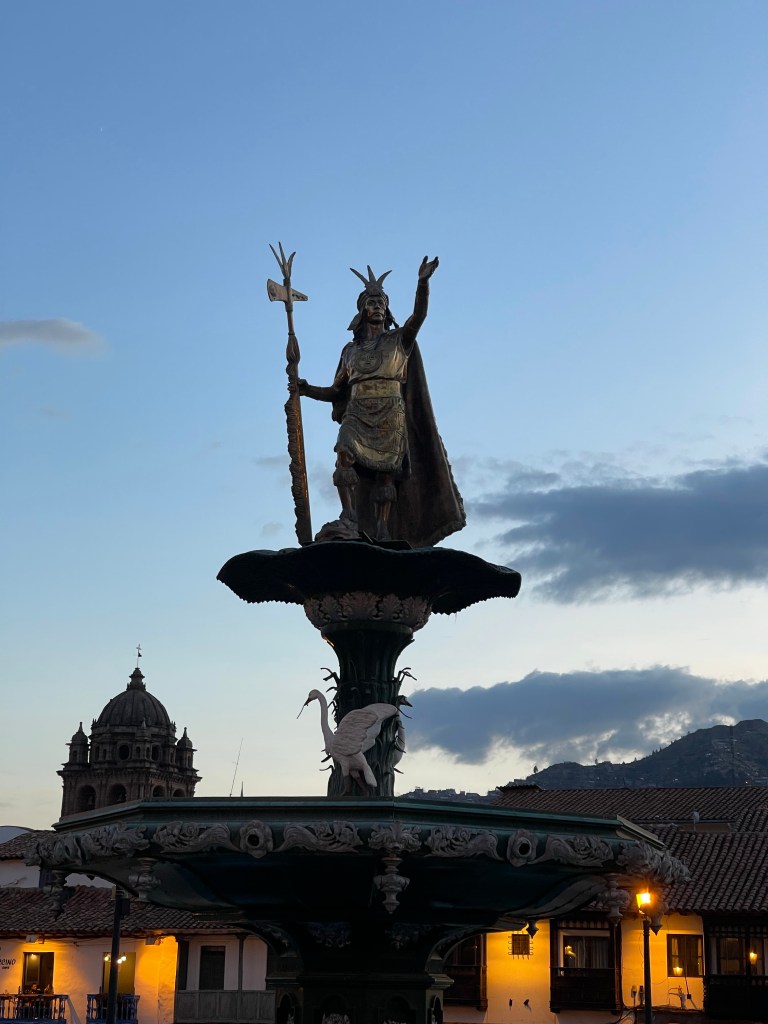
Cusco, once the capital of the Inca empire, was developed into a complex urban centre in the 15th century by one of the most well known Inca rulers. Who am I talking about? This guy 👇

That’s Pachacuti. In the local language, Quechuan, Pachacuti means ‘reformer of the world’ and it’s an apt title because he began an era of conquest that led to Inca domination over most of western South America. It’s surprising, however, that even though the Incas established a sophisticated, technologically savvy civilisation, they didn’t develop a written language, they didn’t have knowledge of the wheel, iron or steel.

Pachacuti is also believed to be the leader who established Machu Picchu as a summer retreat. If it wasn’t for Pachacuti we might never have heard of the Incas and their history would have been be lost amongst the hundreds of other South American indigenous tribes you’ve never heard of.

Now let’s temporarily leave the Incas before you glaze over and talk medical matters. Yes, I’m going to get personal. We have a problem.

Cusco sits at 3400m altitude (that’s 11,200 feet in old money) and this means two old people find it hard going. I’m talking about Susan and me.

Altitude sickness manifests itself in many ways and, thankfully, it all had been relatively mild for Susan and I as we have adapted over the last two weeks at altitude. That said, depending on our travel fatigue, exertions and diet, altitude can affect us more on some days than others. Susan is particularly prone to good days and bad days.

I’m fine and still not listening to advice not to drink alcohol because that’s a step too far. As it is, a bit of breathlessness is my main issue and the worst it gets is when I have to sit down and rest midway through brushing my teeth. I can cope with that as long as I have a beer to sip whilst I’m recovering between brushing sessions. Me and Mr Beer help each other through all sorts of issues.

At Cusco, Susan didn’t feel great. It all started at Machu Picchu. Personally, I think it was the dancing with the Saqra dancer on the train – too much exertion at altitude. If I was allowed to show you the video as evidence you would agree. It wouldn’t be ‘Oh Poor Susan’ it would be ‘Oh Dear Susan What Were You Thinking’. Then there was ‘Mellow Man’ and his coca leaves. All the evidence fits together in my mind and now, unfortunately, I have to tell you that Susan has a coca habit.

Now the coca leaf has been chewed and brewed for centuries among the indigenous people in the Andean region. Most often, the locals chew the leaves and they act as a mild stimulant that supressess hunger, thirst, pain and fatigue. Crucially, especially for tourists, it’s also believed to overcome altitude sickness.

It’s common for tourists to consume coca levels in the form of a tea and indeed many hotels have an urn on the go or will provide coca tea on request. Now let’s be quite clear, this is the same coca leaf from which cocaine is extracted. You will actually fail a drugs test within 24 hours of drinking coca tea.

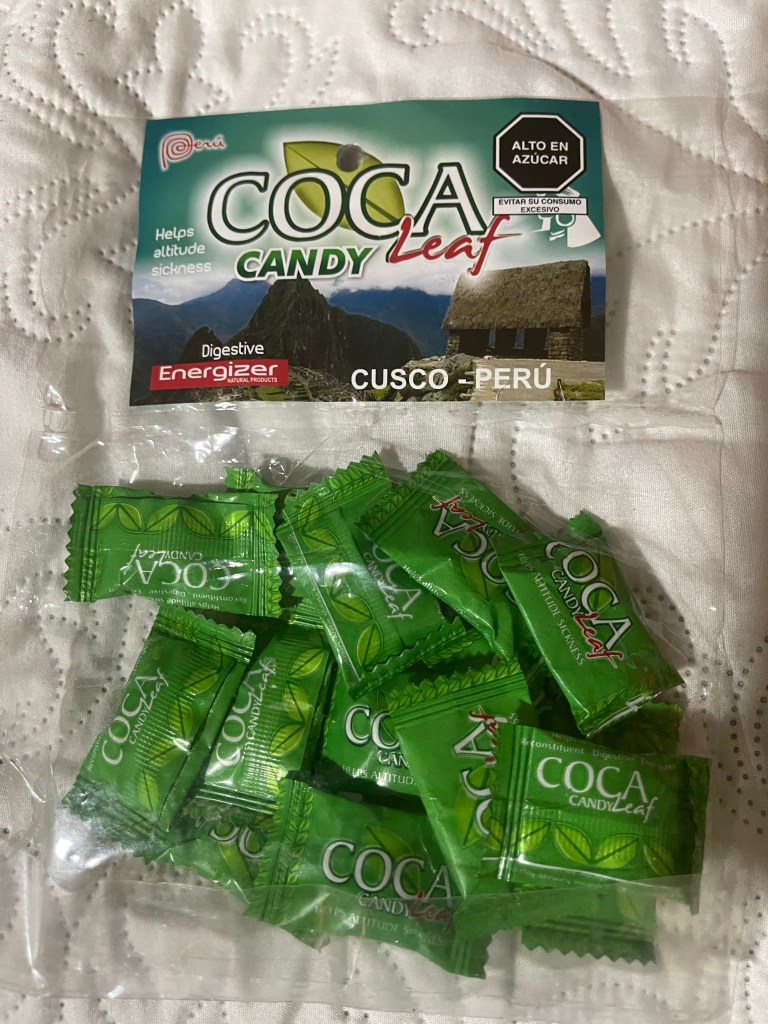
Now let’s talk about ‘Coca Head Susan’. It’s a serious matter so let’s not have any light-hearted quips. To alleviate the symptoms of altitude sickness, ‘Coca Head Susan’ is drinking coca tea beyond the recommended 2 cups a day and, would you believe it, also eating coca sweets.

Even in the middle of the night I heard the rustling of sweetie papers as ‘Coca Head Susan’ was having a ‘hit’. I present the physical evidence 👇

Okay I feel I’ve got your attention now that I’m presenting physical evidence.

Now altitude sickness is pretty debilitating at times. I’ve already opened up about my issues brushing my teeth so I’ve every sympathy with ‘Coca Head Susan’.

I do, however, appear to be an island of strength in a sea of Coca as I sit in hotels and bars drinking alcohol and where it seems everyone is having coca tea. It’s difficult being me with no mild drug habits in a land of Coca Heads. I’m sure you’re sitting there nodding in sympathy with me. Thank you.

It’s okay though, I’m managing the whole situation with expert medical advice from the Internet. I’m sure I can wean ‘Coca Head Susan’ off the stuff and my main tactic is to get her to drink more alcohol. Why not? I drink lots of alcohol and I don’t have altitude sickness – the logic is pretty inescapable.

With this intellectual logical thinking on display I’m sure you have every confidence in me delivering ‘Oh poor Susan’ back to you in a state suitable enough to pass through an airport drug test on the way home in December. I will keep you posted.

After that medical bombshell you’re probably thinking oh please let’s get back to the bloody Incas! Let me oblige, sexywoman.

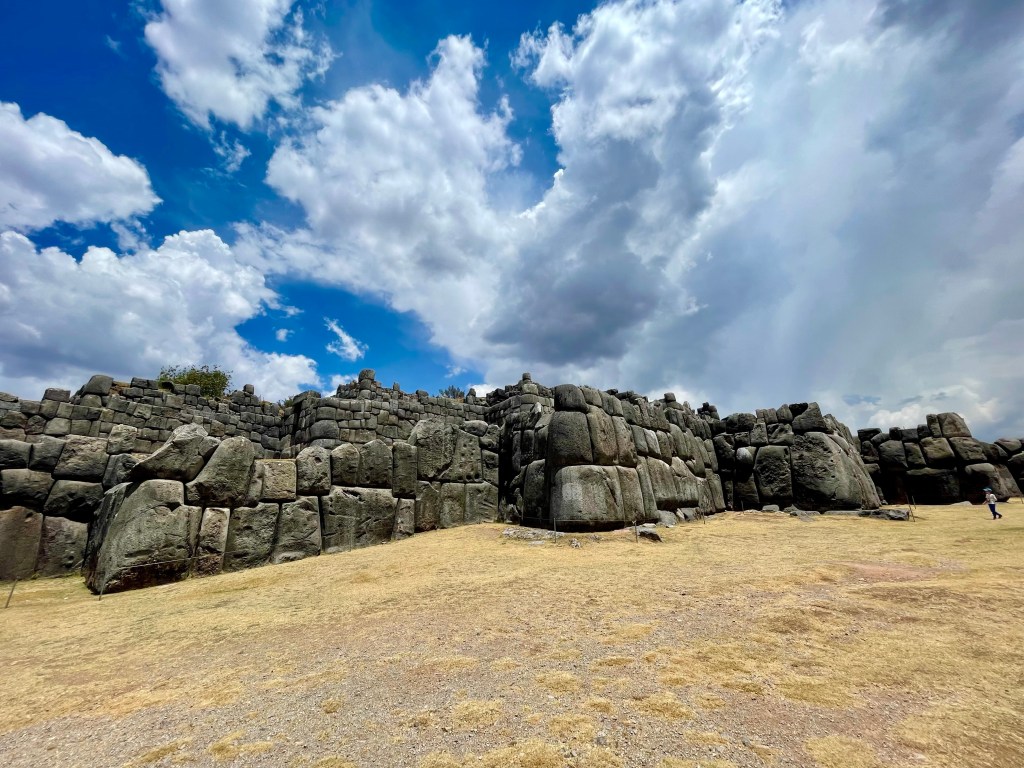
No, no I’m not talking about you! I’m talking Incas remember? And more specifically Saqsaywaman, a fortress citadel in northern Cusco. That’s how the locals pronounce it, ‘sexywoman’ followed by a low chortle. Such boyinsh behaviour is beyond me.

Anyway, Sexywoman, was mainly built by you know who? Yes of course, Pachacuti.

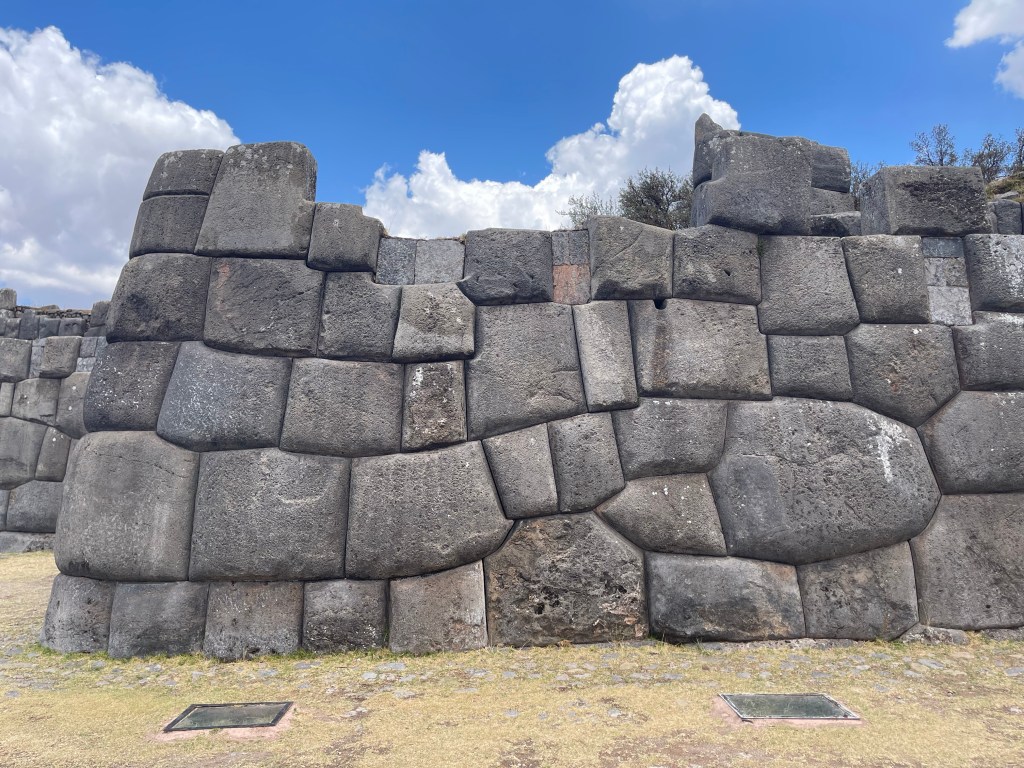
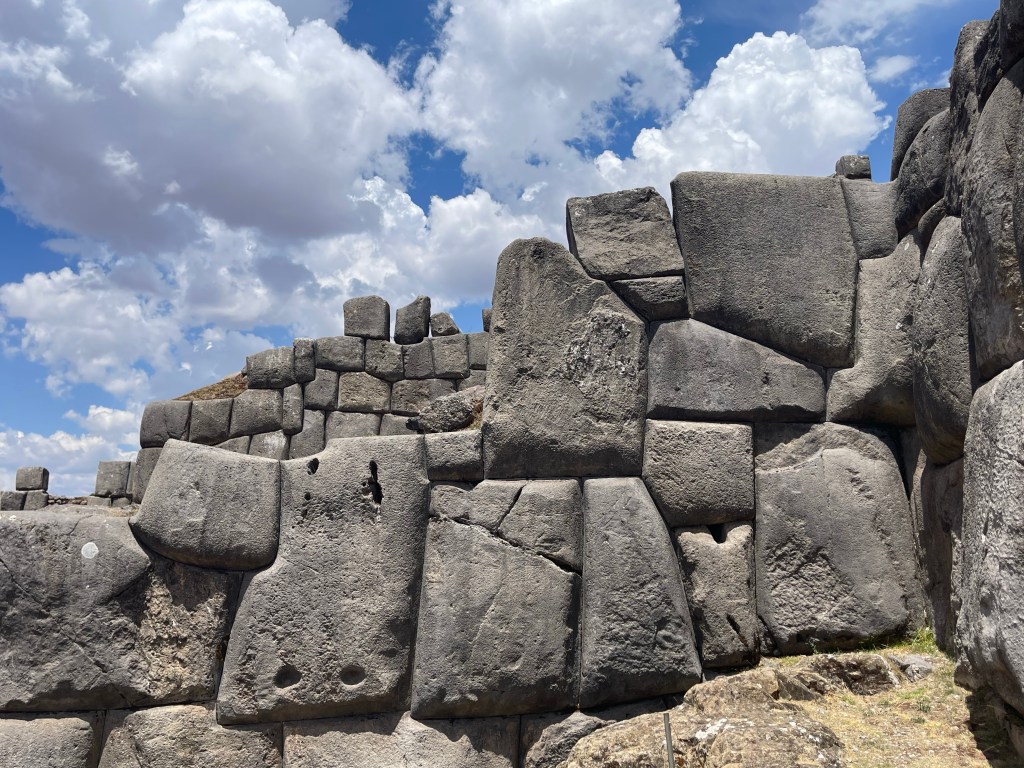
It’s more impressive than the photo above can convey. Originally, there were three massive terrace walls that display precision cutting and fitting unmatched in the Americas.

Much of Sexywoman was dismantled by the dasterdly Spanish to build churches and Spanish civic buildings in Cusco. The Spanish wanted to erase all Inca culture in an effort to dominate the local people. They kind of succeeded. For four centuries this fortress has been systematically dismantled and, even until relatively recent times, locals were allowed to blast away the stones for their own building needs.

Talking about stones, have a look at this neat jointing. Why all the irregular shapes? Well the photos below have the outline of a snake and a llama respectively. Try and find them? Its like one of those ‘can you find it’ quizzes you see on the internet’.

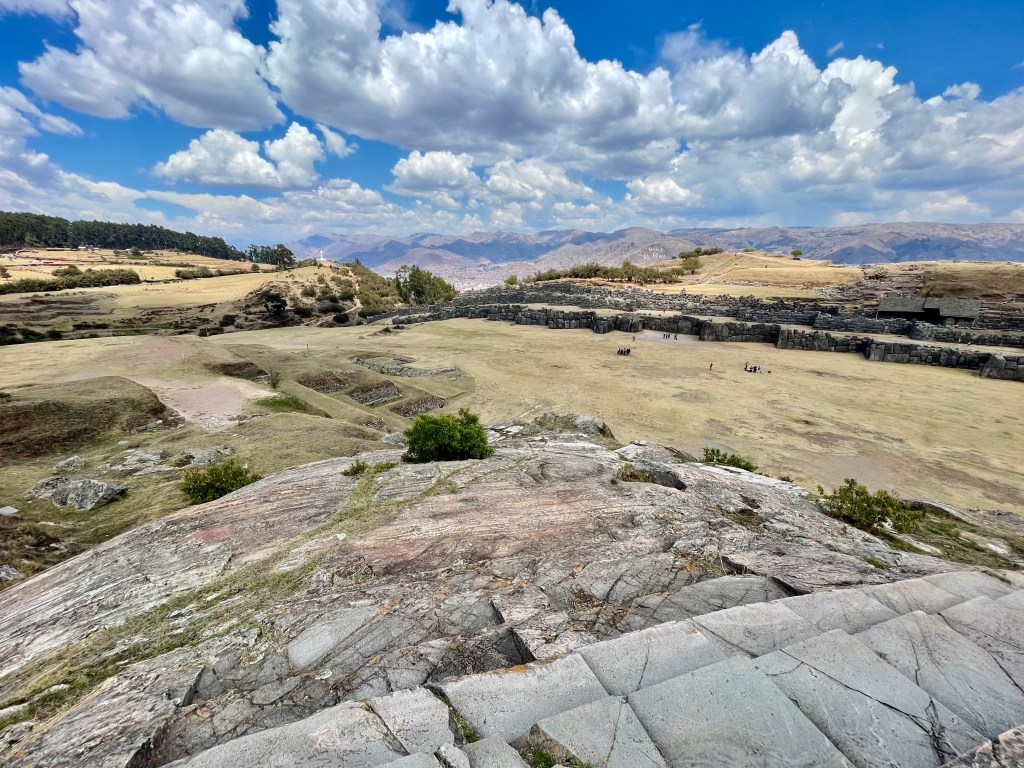
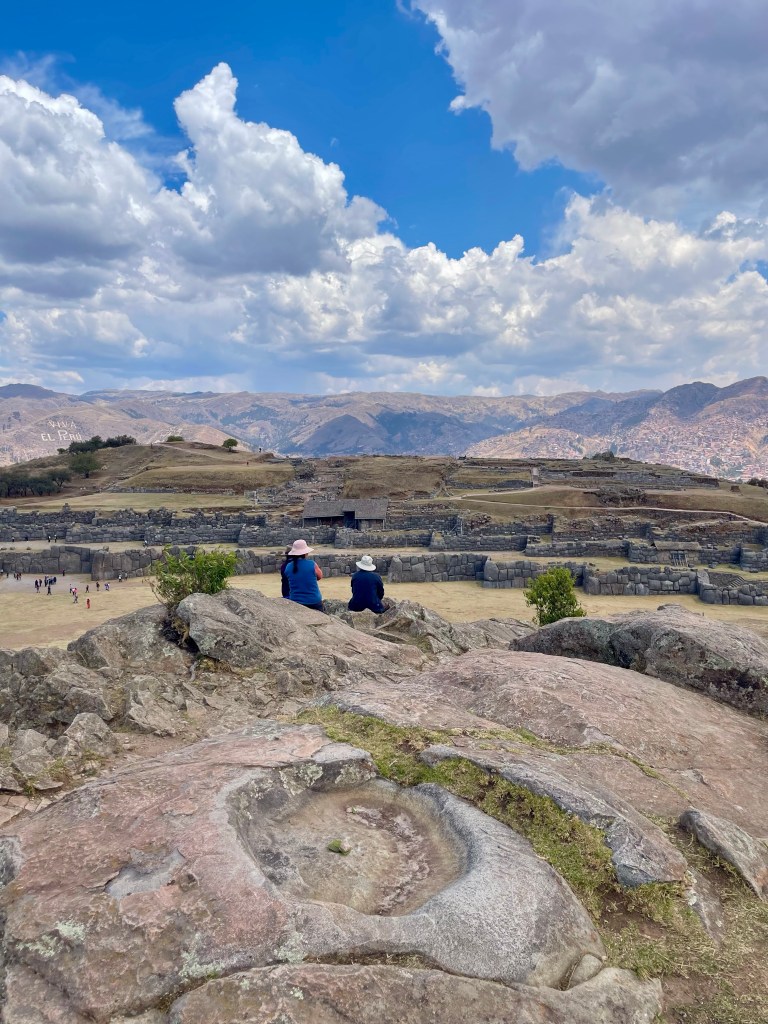
Next is a view from where Pachacuti would sit. Right in the foreground are ‘thrones’ carved into the rock overlooking the natural amphitheatre where Incas would gather to hear the proclamations of their ‘god’. The plaza below is capable of holding thousands of people for ceremonial activities.

Finally, another view over the Sexywoman fortress.

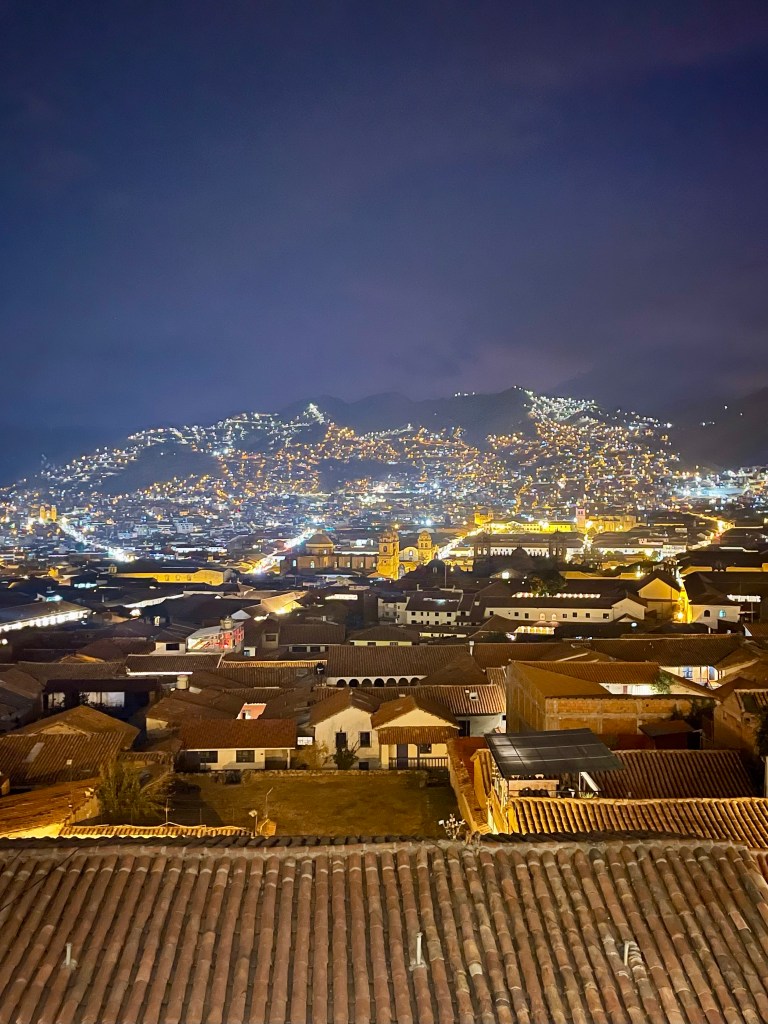
So onto our final night in Cusco, we went into town for a rooftop dinner and some local beer.

Then it was to the Pisco Museum for a cocktail.

Ah, I know the more astute of you will realise this is me putting my intelligent logical plan into action. I’m getting ‘Coca Head Susan’ to be like me and drink herself into health. What a cunning plan it is even if I have to say so myself!